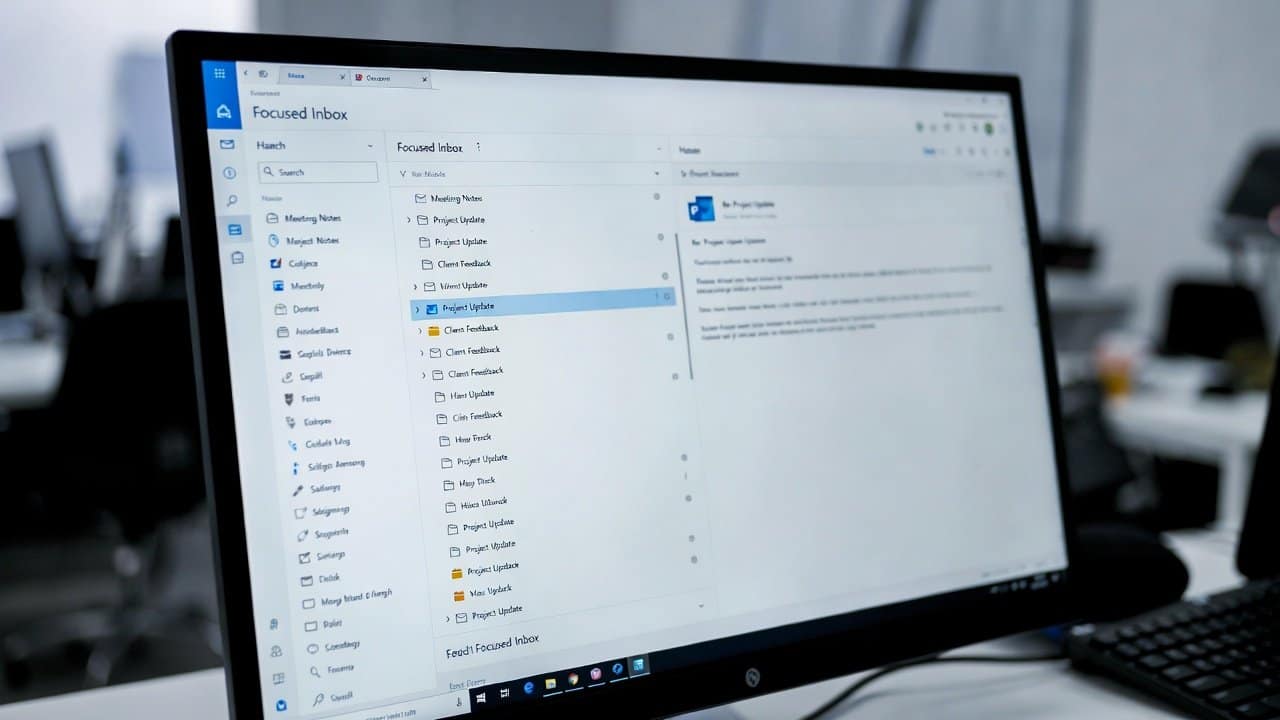


A computer that operates at a slow speed creates problems for users who need it to work, study, or watch movies. Because of the slow window, the system experiences many issues. Applications require a large amount of time to open, and basic functions become extremely difficult. Furthermore, Windows operating systems experience performance degradation because of gathered data, ongoing processes, and excessive system demands. But we have a solution for your problem. Repairing your slow Windows computer system requires multiple techniques. These techniques will help you save both your time and energy while reducing your anxiety levels. So, in this blog, we will explore some techniques that fix your slow Windows PC without reinstallation. Let’s begin our journey!
Techniques That Fix Your Slow Windows PC Without Reinstall
The following techniques can help you fix your slow Windows PC.
1. Restart Your PC Regularly
- First of all, restarting your PC is one of the easiest and most effective fixes.
- Many users keep their computers running for days or even weeks.
- Extended PC operation leads to background processes that build up and use system memory.
- Temporary data gets removed through restarting, which also restores all system resources.
2. Disable Startup Programs
- Secondly, you need to check which programs start automatically during the Windows booting process.
- Your computer performance will decrease when there are too many programs set to launch at startup.
- Open Task Manager and go to the Startup section for disabling unnecessary startup applications.
- This process decreases boot time while it increases available system resources.
3. Free Up Disc Space
- Thirdly, the system performance suffers because low disc space creates a serious problem for operation.
- Windows performance problems occur when your hard drive reaches its maximum storage capacity.
- Delete all the files that are no longer needed together with all the programs that you have not used.
- Empty the Recycle Bin.
4. Run Disc Cleanup
- Fourthly, Windows provides a tool that enables users to delete unnecessary files from their system.
- The Disc Cleanup utility removes temporary files, together with system logs and all useless data.
- Search for Disc Cleanup and choose your primary drive because the tool will automatically start its operation.
5. Check for Malware and Viruses
- Fifthly, malware operates in a hidden mode to decrease your computer’s performance.
- It is done by damaging operations that run continuously in the system background. Therefore, checking for threats is important.
- A complete system scan should be done through Windows Security.
- This system provides built-in protection that users can access for dependable security services.
6. Adjust Visual Effects
- Sixthly, windows operate with visual effects and animation features that create an attractive appearance.
- But these visuals will use up computer system resources.
- The system performance will improve when specific visual effects are disabled.
- Go to System Properties and then Performance Settings to choose the option that enhances system performance.
- The visual load decreases through this process, which results in increased speed for your PC.
7. Update Windows and Drivers
- Lastly, outdated software creates performance issues because it leads to system slowdowns and software errors.
- The updates bring performance enhancements together with system problem solutions.
- Go through Settings before accessing Windows Update.
- System updates improve operational compatibility while enhancing system performance.
Conclusion
In conclusion, most people find it easier to fix their slow Windows PC through these methods. As these methods do not require any system reinstallation. Regular restarts and disc cleanup with startup control and smart settings enable users to restore system performance without any data loss. So, if you also want to fix your slow window, then follow these tips now.