

Tech support scams are growing at a fast pace because people find it more difficult to identify these types of scams. Each day, thousands of people experience financial losses, identity theft and their devices become inaccessible. In these types of frauds scammers use fear as their primary method to deceive people and create confusion among their targets. They present themselves as helpers who actually work to steal money from you. Therefore, Tech support scams become a required topic to understand for every person who uses a phone, computer or internet. In this blog, we will explain the operation of these scams, and the methods that users can use to protect themselves from them. So, let’s dive into it!
What Are Tech Support Scams?
Tech support scams happen when criminals pretend to be technical support agents. Additionally, they may claim to work for well-known companies or security services. However, their goal is to convince you that your device has a serious problem and they are the only one that can solve that problem. Once they are able to gain your trust, they ask for money, personal information, or remote access to your device. And as a result, victims fall into their trap and lose control of their systems.
How Tech Support Scams Usually Start?
1. Fake Pop-Up Warnings
- The most common method of operation uses fake pop-up alerts.
- These messages appear on your screen to deliver a warning about device infections and security breaches.
- These alerts use frightening words together with visual warnings.
- The pop-up requests users to make a phone call to receive urgent assistance.
- The phone number leads you straight to a scam operation.
2. Scam Phone Calls
- Another common method is unwelcomed phone calls.
- Scammers claim they detected problems on your computer or internet connection.
- They use their professional appearance and confidence to establish trust with victims.
3. Phishing Emails and Messages
- Scammers use emails and text messages as their primary communication methods.
- These messages appear official because they include logos and signatures.
- They contain links that require you to click them or files that you need to download.
- Scammers use this method to install malware on your device and to steal your login information.
What Happens After You Respond?
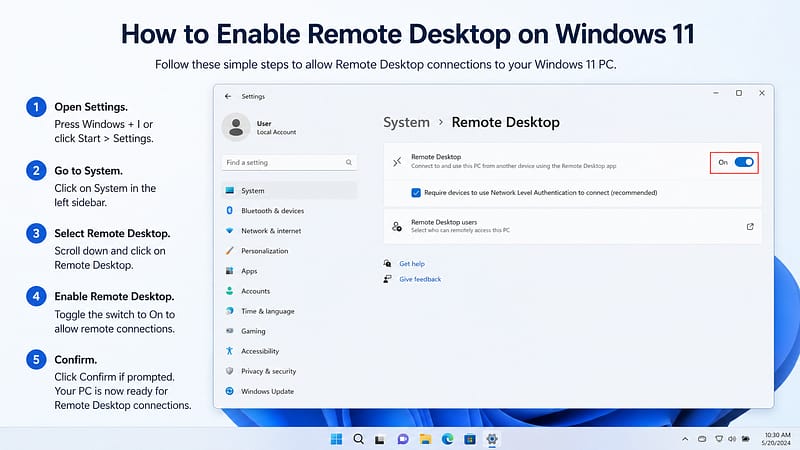
1. Request for Remote Access
- After contacting people, the scammers request remote access to your device.
- As they claim that they need this access to resolve your problem.
- The attackers gain complete control of your system through remote access.
- It enables them to install malicious software, take your confidential information and completely block your system.
2. Fake Problem Demonstrations
- Scammers use fake error logs and normal system files to create fake security threats.
- They use it to represent them as an actual danger.
- This method produces distressed situations which establish urgent requirements for response.
3. Demanding Payment
- Scammers request payment for nonexistent repair services.
- They typically request payment through gift cards, cryptocurrency and wire transfers.
- They also use these payment options because they enable them to conduct their operations without being detected.
How to Protect Yourself from Tech Support Scams
- First, you should avoid trusting unexpected pop-ups and phone calls which claim to report device problems.
- The proper response requires you to close your browser or restart your device.
- Second, do not give remote access to anyone you do not trust completely.
- Legitimate support services never pressure you.
- Third, the user must maintain software updates and choose trustworthy security solutions to protect their system.
- Your best protection against threats comes from being aware of dangers and maintaining caution.
Conclusion
In conclusion, people who run tech support scams use three main techniques to deceive their victims. They create a sense of fear, establish a feeling of emergency, and build a misleading trust relationship. Furthermore, the system will become ineffective after you learn about its mechanisms. So if you want your financial resources, personal information and your mental well-being will remain safe. Then start studying Tech Support Scams Explained right now.