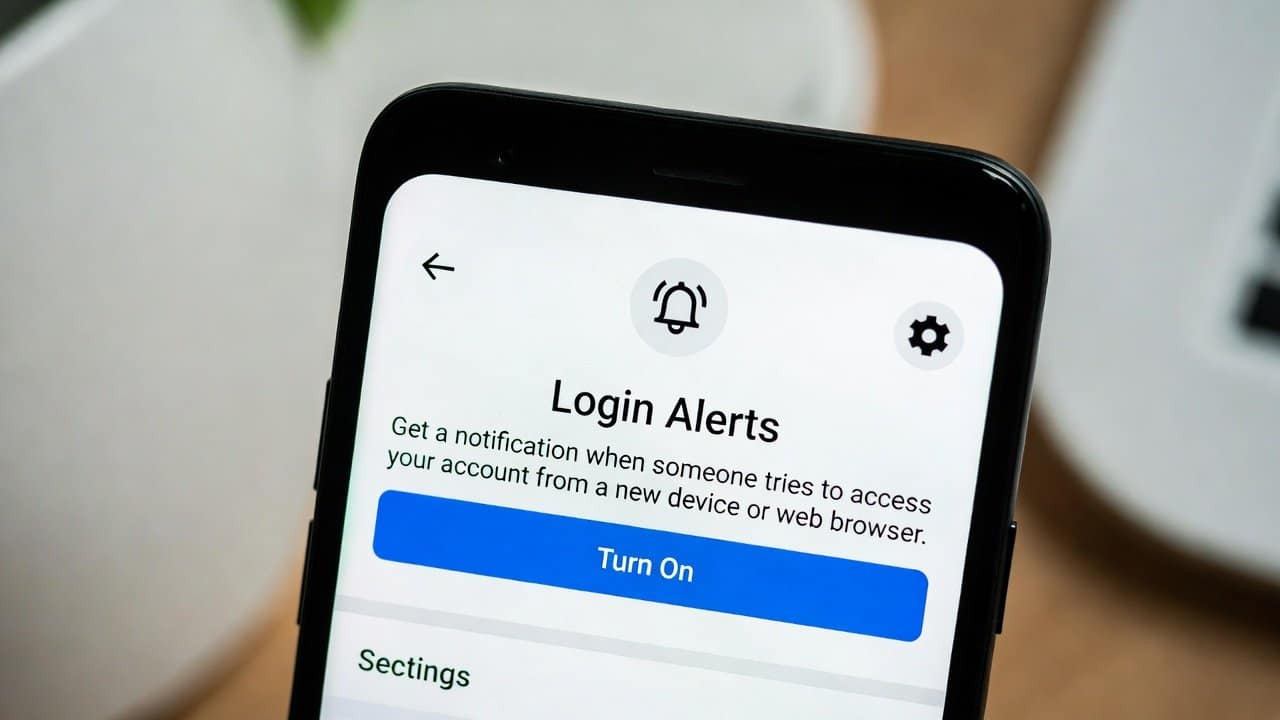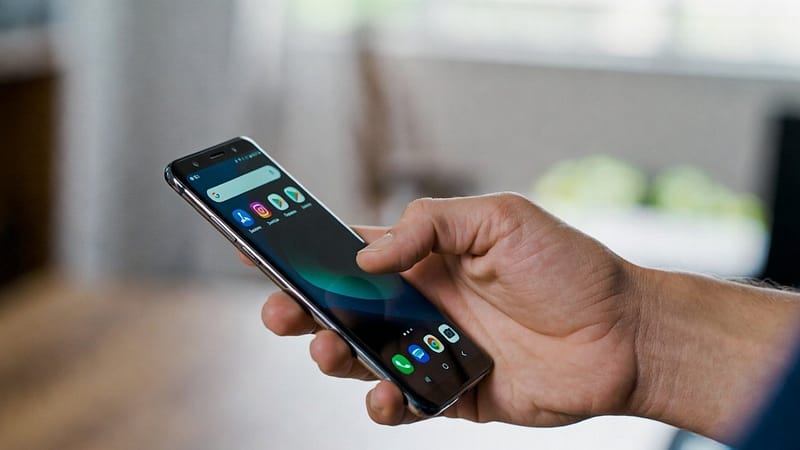


Though people considered smartphones to be very helpful devices, as they simplify their daily activities. They can use mobile apps to communicate with others, make purchases, access banking services, and do many more activities. But most people do not know that there are certain mobile apps present that gather a lot of personal information from their users. Additionally, these applications function without user knowledge. They monitor their current location and internet usage patterns and complete daily activities. Therefore, understanding mobile applications is important because it provides essential information about smartphone security. In this guide, we will show how various applications track their users. So, let’s get into it!
Mobile Apps
The following are the certain mobile apps that continuously track your activities.
1. Social Media Apps
- Social media applications function as the largest personal information collection systems.
Facebook, Instagram, and TikTok together monitor various aspects of their user behavior. - These apps gather data about users’ geographic location, electronic devices, online search patterns, and activities on social media.
- Their system tracks your viewing duration of specific content and observes your interaction with advertisements.
2. Navigation and Map Apps
- Navigation applications offer essential help to users who love to travel a lot.
- Google Maps and similar applications use ongoing location monitoring to deliver precise navigation instructions and information.
- These apps need to store your travel history and your commonly visited places.
- It is because it needs this data for its functioning.
- Users’ home address and workplace location, together with their leisure activities, all become available to these apps.
3. Shopping and Delivery Apps
- Online shopping applications gather large amounts of user information through their functions.
- Apps like Amazon and AliExpress monitor their users through three types of data.
- This data includes their browsing behavior, shopping records, and search activities for products.
- Companies use this data to create product recommendations and show advertisements to their users.
- Due to this, many users fail to understand how much of their personal information is being collected.
4. Free Games and Entertainment Apps
- Many free games and entertainment apps rely on advertisements.
- They use tracking tools to monitor user activity because their business model requires advertising.
- Some of these apps request permissions that are not necessary, such as access to contacts, location, or device storage.
- These permissions enable developers and advertisers to gather extra information about their users.
- Users should check all app permissions before they install games or entertainment apps.
5. Fitness and Health Apps
- Fitness applications have the ability to gather personal data.
- Apps like Strava and MyFitnessPal provide tracking features for users.
- They do it to monitor their workout sessions, health metrics, and their geographical location.
- Users can utilize this data to track their health progress.
- But the information also discloses their personal daily activities and movement patterns.
Conclusion
In conclusion, this digital world requires its people to understand mobile apps. It is because they monitor their movements and create privacy violations. The main business mode of these popular applications requires them to gather user data. Furthermore, this data is then used to enhance their app services, target advertisements, and study user behavior patterns. Therefore, those who fail to protect their information face privacy threats. So, if you want to protect your privacy, then review app permissions and restrict location access to protect your personal data. For more on this topic, browse our mobile app guides.