
In this digital world, the internet now provides its users with simpler methods to communicate, shop and use banking services. Almost everything is now done by online accounts and internet availability. But these benefits also come with some disadvantages too. This online environment also creates situations for cybercriminals to operate their fraud. Further, numerous people fall prey to these cyber fraud schemes. Attackers use different methods, including emails, fake websites, social media messages, etc., to generate their fraud. Therefore, to detect these frauds, we need to know about some warning signs. In this blog we will present common warning signs which help you identify online fraud activities before they lead to major harm. So, let’s get into it.
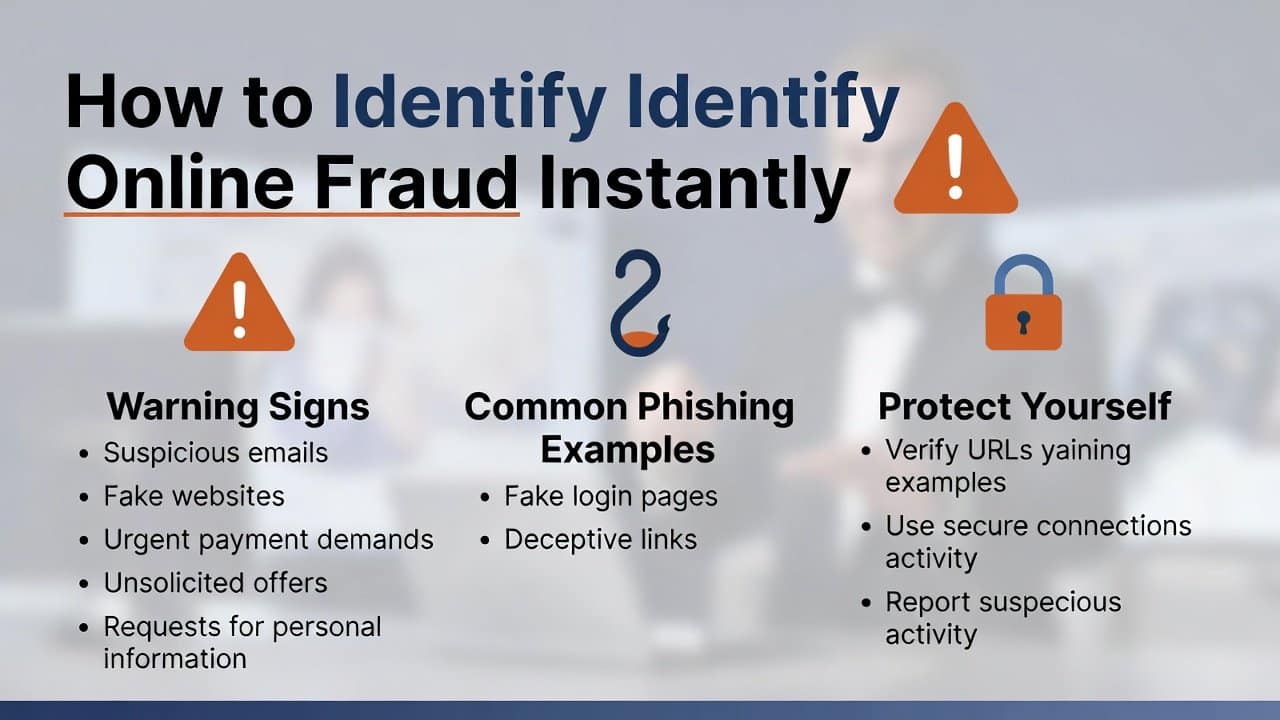
Warning signs to identify online fraud
The following are some of the indicators that help people identify online fraud.
Sign # 1. Unexpected Messages or Requests
- One of the most common warning signs is to receive unexpected messages or requests.
- In these messages they either request their personal details or monetary payments.
- These messages create the impression that they are from trusted organisations, banks and personal contacts.
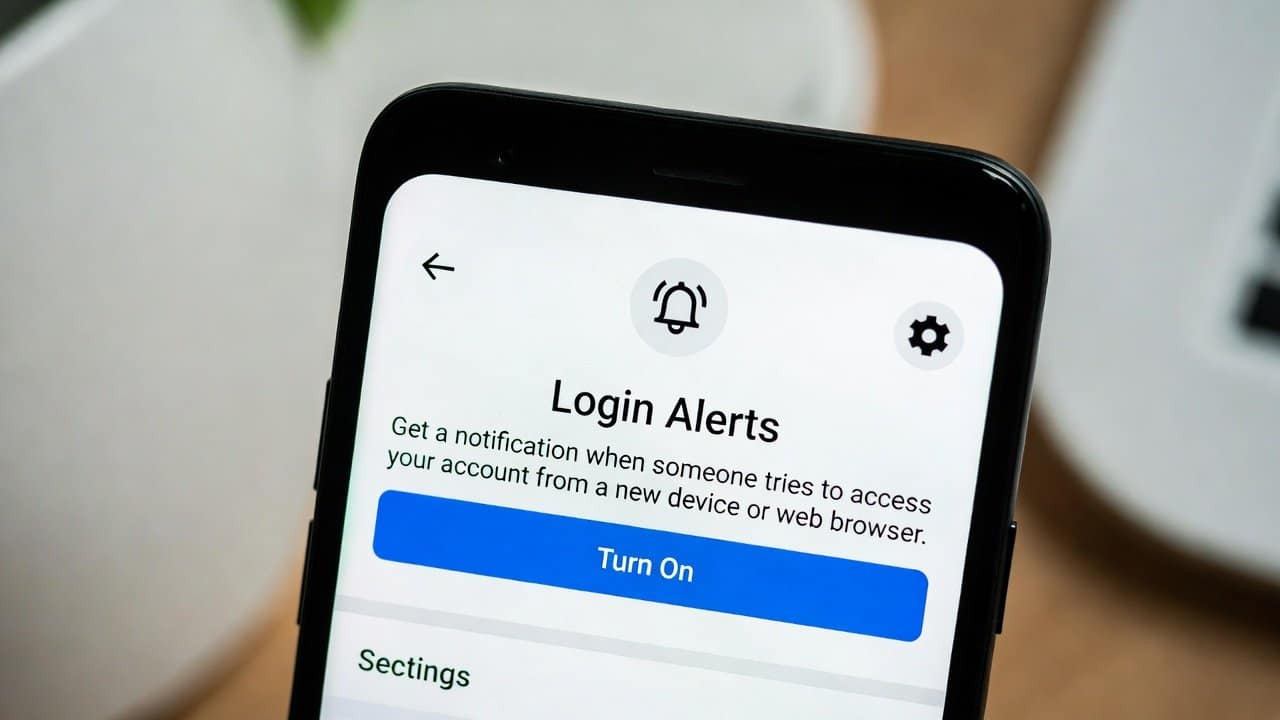
- Scammers use fake emails and messages to mimic services from social platforms such as Facebook.
- People should check those messages which request their passwords, verification codes and financial data.
Sign # 2. Urgent or Threatening Language
- Scammers use panic creation to force people into immediate unthinking responses.
- They might claim that your account is suspended, your package is delayed, or your bank account has a problem.
- These messages create an emergency situation through urgent phrases.
- These phrases include “Act now”, “Immediate action required” and “Your account will be locked.”
- Scammers use fear and urgent situations to deceive their victims.
Sign # 3. Suspicious Links and Fake Websites
- Another common fraud tactic is sending links that lead to fake websites.
- These fake websites create a realistic appearance of actual platforms, which enables them to steal user login information.
- Therefore, it is important to have a checked website address before users click a link.
- These fake links use tiny spelling errors and uncommon domain names.
- Users should access official websites through direct entry instead of using unfamiliar links.
Sign # 4. Requests for Payment Through Unusual Methods
- Real businesses usually offer secure payment options.
- Scammers use gift cards, cryptocurrency and wire transfers as their payment methods.
- It is because these methods are not common ways to make payments.
- They use these methods because their tracking systems cannot trace their movements.
- Also, the funds become unrecoverable after they leave the sender’s control.
- Therefore, any payment request through these specific payment methods serves as a warning sign for a scam.
- People should check payment requests before making any money transfers.
Sign # 5. Poor Grammar and Unprofessional Messages
- Scammers use fake messages which show spelling errors, grammatical mistakes and wrong formatting.
- Scammers spread identical messages to thousands of victims at once.
- Professional organisations usually maintain high communication standards.
- Any message which shows poor writing or suspicious content will result in the indication of a potential fraud.
- Though these errors do not apply to all scams, they serve as a common warning signal.
Conclusion
In conclusion, the above-given warning signs help users identify online fraud instantly. They serve as a safe essential point for protection against current digital threats. People should check urgent messages before responding to them. They should also avoid suspicious links and unusual payment requests. They also avoid unexpected verification demands to protect themselves from online scams. Their awareness about these indicators enables users to defend themselves against the majority of online scams.