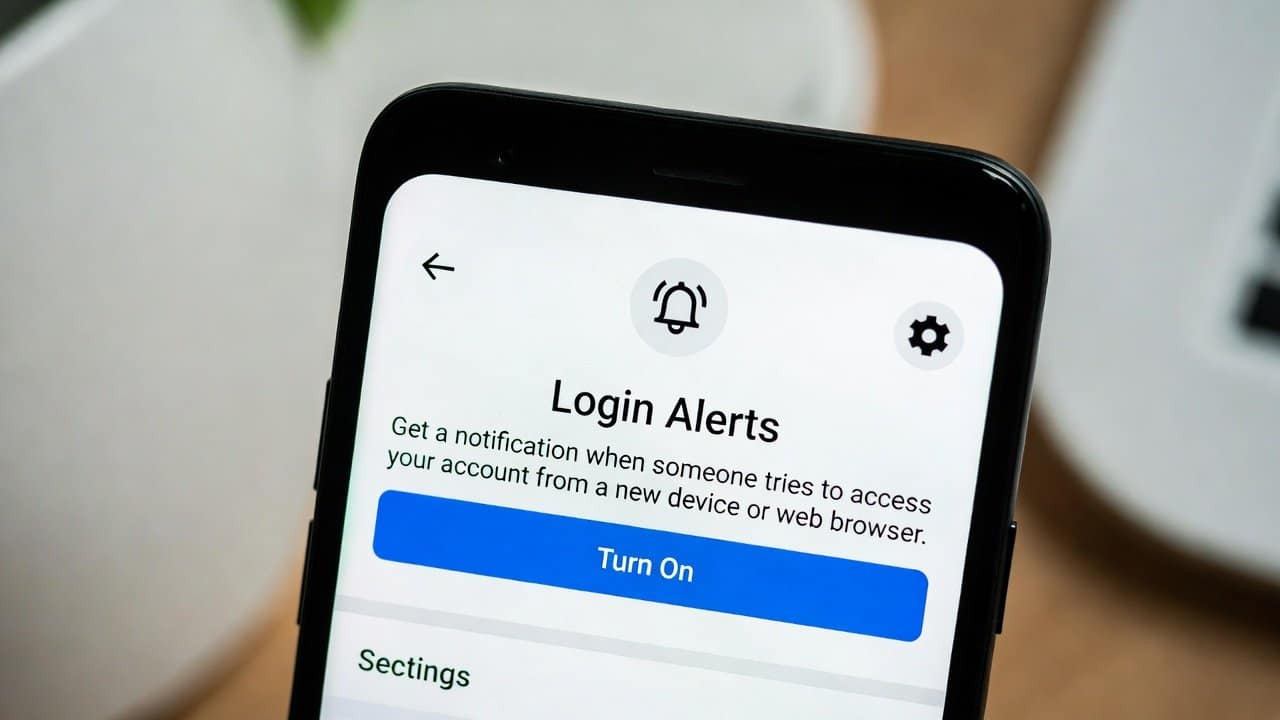


Today’s digital internet environment represents its most dangerous security risk through malware. Yes, you heard it right. This program can access your private information easily. Additionally, it can destroy your computer system and initiate performance issues without any indication or notification. Therefore, the process of protecting yourself from this digital threat requires some knowledge about the methods used by malware to reach your computer system. As malware does not appear on its own, it normally gains access through mainstream internet activities that users consider secure. In this blog, we will share some ways that malware uses to enter your device and some tips to reduce this risk. So, let’s get started!
What Is Malware and Why Is It Dangerous?
Malware is a short abbreviation for malicious software. It includes viruses, spyware, ransomware, worms, and trojans. When this malware enters your device, it then starts to track your activities while stealing your personal data and blocking access to your files. However, users remain unaware of malware presence until it causes serious damage. It is because malware always works in a hidden way and users never know when and how it enters their device.
Common Ways Malware Enters Your Device
1. Clicking on Malicious Links
- The primary method of malware entry occurs through links that lead to harmful content.
- These malicious links show their presence in various forms, which include emails, text messages, and pop-up advertisements.
- These links also create an urgent environment.
- They present rewards and security threats, as their customers need to decide immediately.
- Users will experience automatic malware downloading after they click the link.
2. Downloading Infected Files or Software
- Freely available software with cracked applications and unofficial tools functions as a source for malware infections.
- These products may appear beneficial to users, but they actually include secret harmful software.
- The risk of danger increases when users download files from untrusted websites.
3. Opening Phishing Emails and Attachments
- Phishing emails are designed to trick users into taking action.
- These messages often look like they come from banks, companies, or government services.
- Attackers send emails that contain dangerous attachments together with fake login websites.
- When users open the attachment or enter their information, malware can enter their device instantly.
4. Using Public Wi-Fi Without Security
- Public Wi-Fi networks provide users with easy access to the internet, but they create security risks too.
- Hackers use unsecured networks to either interrupt connections or inject malware into devices.
- Your device becomes weak to attack when users use it without any security protection.
- The risk of unauthorized access increases when people use public Wi-Fi to access their most protected accounts.
5. Using Infected USB Drives or External Devices
- External storage devices serve as a route through which malware travels between different computer systems.
- The malware infection occurs instantly when a user connects an infected USB drive to their computer system.
How to Reduce the Risk of Malware
- The prevention of malware attacks becomes easier after you learn about the methods used to infect your device.
- Cybersecurity experts recommend basic precautions.
- Avoid suspicious links and only install software from trusted sources, while users must keep their systems current.
- Implementation of reliable security software together with regular system scanning provides additional protection for your device.
Conclusion
In conclusion, malware attacks depend on human mistakes instead of needing smooth hacking techniques. Therefore, users can prevent most threats from causing damage. People can do this by maintaining their alertness and staying updated. So always stay ahead of this malware and do not let it enter your device without checking the source.