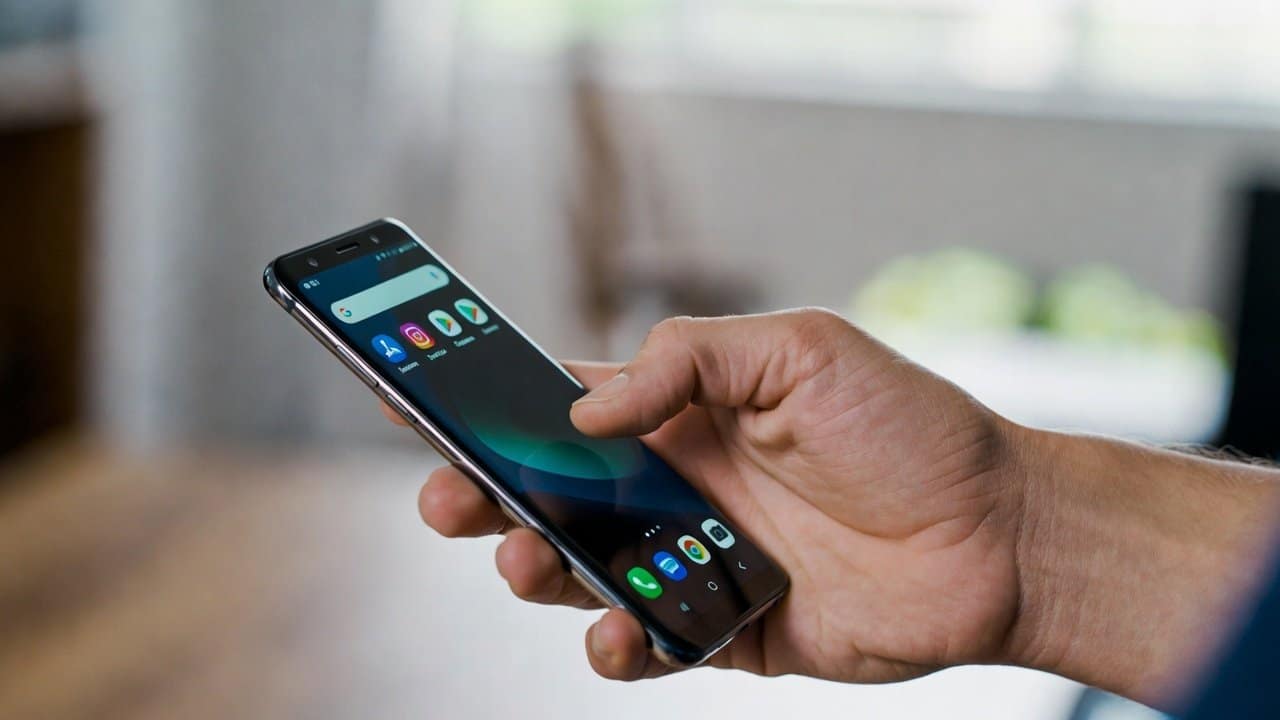

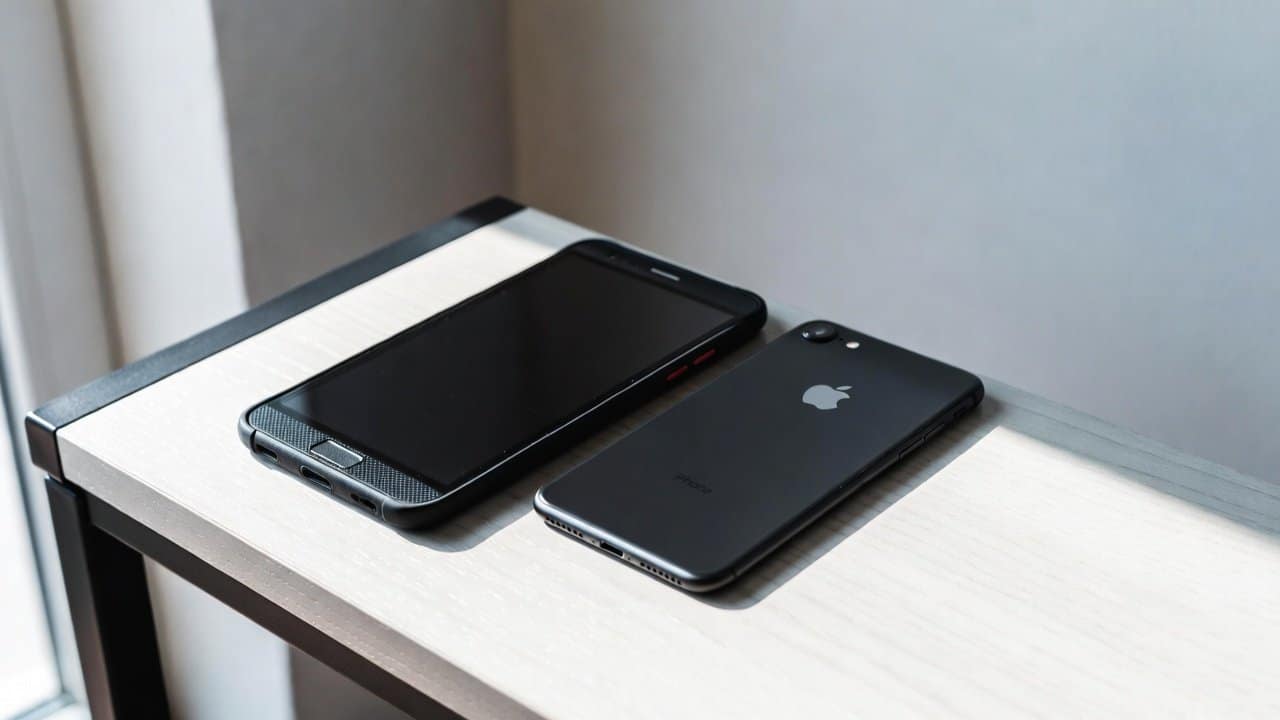
Smartphones are becoming a vital component of users’ daily activities. Almost all work is happening with these smartphones today. Additionally, people use them for communication, work, entertainment, and even banking. In the mobile phone industry there are two types of smartphones prevailing. These two are known as iPhone and Android. When people go to buy any smartphone, they often get confused about which one they will choose or which one will be better for them. Both products offer powerful features, modern designs, and advanced technology. But both of them have certain important differences too. This blog post, “Android vs iPhone: Real-World Comparison”, will provide the whole difference between these two options. The comparison will show you which choice better suits your requirements.For more on this topic, browse our Android tips.
Android vs iPhone
Comparison between Android and iPhone.
1. Design and Build Quality
Both Android phones and iPhones offer attractive designs and strong build quality.
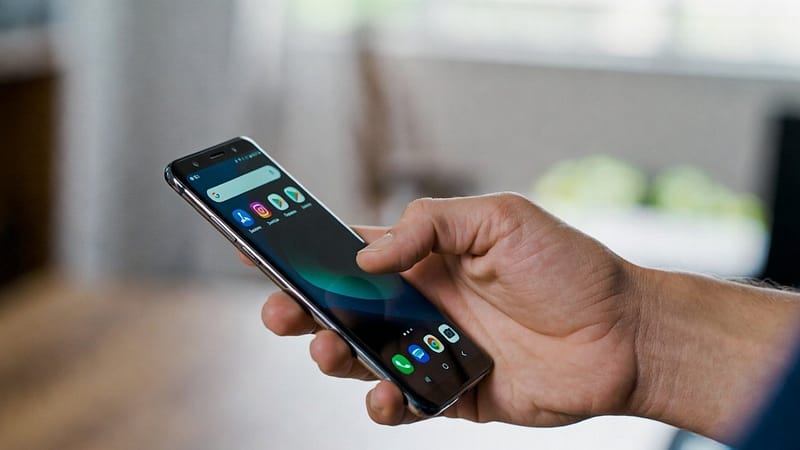
- Android phones have multiple manufacturers present in the market.
- The Android phone market provides users with various device options.
- It includes multiple designs, screen sizes and different price levels.
- Some Android devices focus on premium materials and also target budget-conscious users.
- Whereas iPhones remain exclusive to Apple.
- Apple produces all iPhones.
- The design style of iPhones remains constant, which results in their high-quality construction.
- Apple focuses on simplicity and elegance while creating its design
2. Software Experience
The software experience between Android and iPhone shows major differences between the two platforms.
- Users of Android can customise their devices through various options.
- They can change themes, widgets, and launchers to personalise their devices.
- Android is best for those people who enjoy phone customisation.
- It allows them to personalise their devices through multiple customisation options.
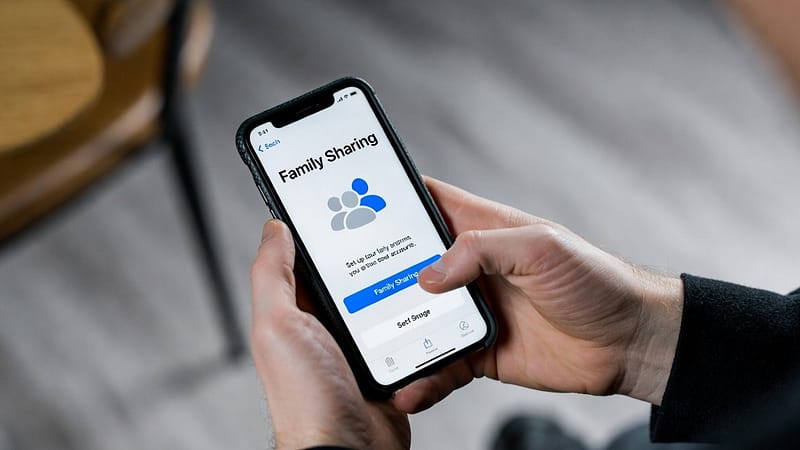
- iPhones operate on Apple’s iOS system.
- It delivers an experience that prioritises user-friendly design and seamless operation.
- Its interface provides users with a clear experience that works on all devices.
- The system provides them with limited customisation choices.
3. App Ecosystem
Both platforms have more than one million applications which users can access from their official application stores.
- Android uses Google Play Store as its application distribution platform.
- iPhones use the Apple App Store as their application distribution system.
- Developers often release new apps and updates on iOS first.
- This becomes simpler because Apple devices have limited hardware options to support.
- Most popular applications exist on both platforms despite their differences.
4. Performance and Speed
The Android vs iPhone: Real-World Comparison shows performance as a key factor of their comparison.
- Apple creates custom-built processors that power its iPhone devices.
- iPhone hardware and software systems allow devices to operate with great speed and smoothness.
- Android performance shows different results across various devices.
- High-end Android phones provide top-notch performance.
- But on the other hand, budget devices show reduced speed capabilities.
5. Security and Updates
Smartphone users view security as their primary concern.
- Apple controls both hardware and software.
- This enables the company to provide security updates to all its supported iPhones.
- The updates arrive within a short period after their release to multiple devices at once.
- Android devices also receive security updates.
- But their manufacturer determines when these updates will be delivered.
- Some premium Android brands now provide regular updates.
- Lower-cost devices may receive updates at less frequent time periods.
Conclusion
In conclusion, the Android vs iPhone comparison shows that both operating systems have their significant strengths. Android users can choose from various device options. They can enjoy system customisation and flexible system operation. On the other hand, iPhone users experience a seamless operating system performance. It provides its users advanced security features and regular software updates. But keep in mind that choosing between two options depends on your individual needs. So, check what your needs are and look at which one will fulfil your needs.