
Artificial intelligence develops rapidly because new tools enter the market almost every single day. Most of these AI tools make promises to enhance work efficiency. They promise to save time and improve productivity, and they can totally transform work processes. Some AI tools provide actual benefits to users, while other tools exist only overhyped, as they do not provide complete benefits. Users try these tools because they believe that these tools will provide high-potential results, but they do not. Therefore, the public needs to understand how AI tools become overrated. In this blog, we will examine five different types of AI tools that receive excessive promotion but fail to meet public expectations. So, let’s get into it.
AI Tools
The following are the most overhyped AI tools.
1. AI Writing Tools
- AI writing tools have gained widespread popularity among users.
- Tools like ChatGPT and Jasper AI enable users to create articles, emails, and social media posts within seconds.
- Many users believe these tools can completely take over the work of human writers.
- But this is not true, as AI tools create content that fails to deliver creativity, deep knowledge, and emotions.
- These tools help users create initial drafts, but they require users to make necessary changes for better content.
- They need human help because they cannot produce ideal outcomes without human contact.
2. AI Image Generating tools
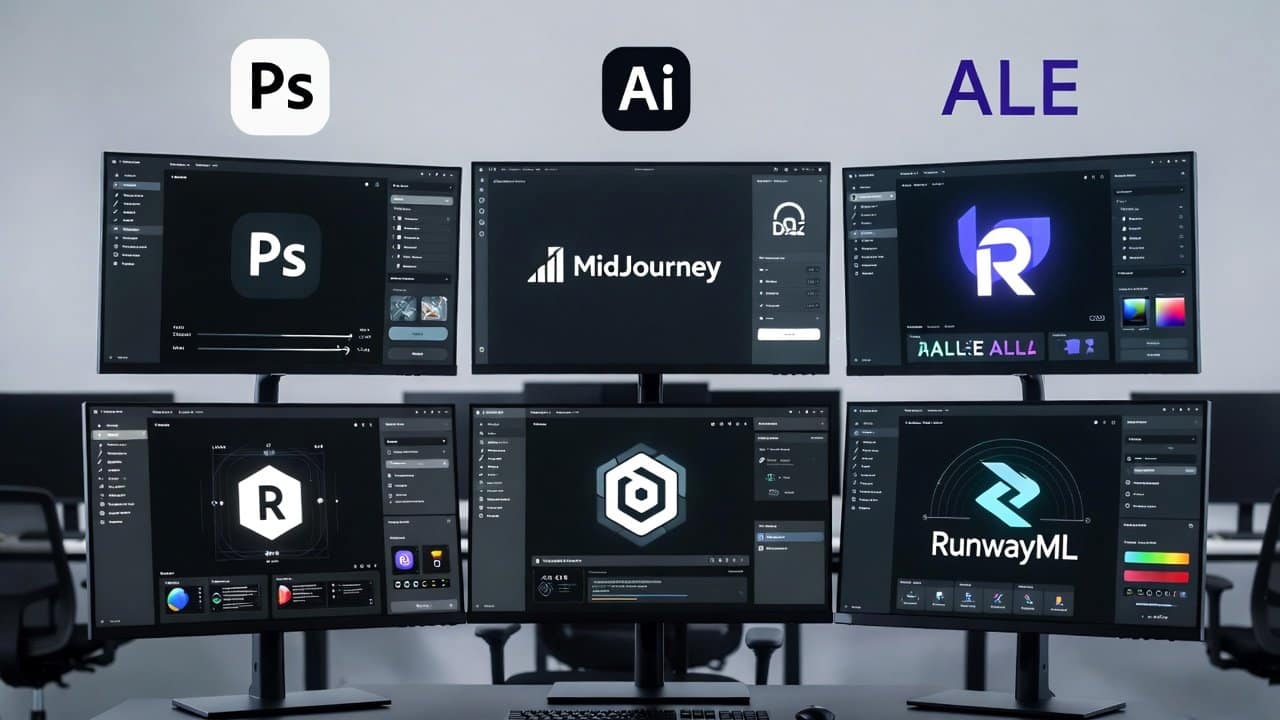
- AI image generators produce high-quality visual content at fast speeds.
- Designers and creative professionals use DALL·E and Midjourney design tools.
- But these tools produce such outcomes that users did not expect.
- They generate unpredictable and unreliable images.
- Users have to work hard to craft perfect prompts to get effective results.
- These tools have strong capabilities, yet their actual operation requires expertise.
3. AI productivity tools
- AI productivity apps claim to handle your schedule and automate your work processes to boost your productivity.
- They provide useful functions but do not function as all-rounded software.
- Some apps demand users maintain continuous operations and ongoing system modifications.
- It will hinder their work progress when they do not use it correctly.
- Therefore, completely relying on AI for productivity tools is not right.
4. AI Voice and Meeting Assistants
- The implementation of AI meeting tools has become a widespread practice.
- These tools record all information during the meeting and generate complete and precise summaries without any manual need.
- But these tools encounter some difficulties too.
- They cannot comprehend complete contextual information.
- This leads to errors in speech recognition and results in partial summary output.
- Background sounds and speech accents can decrease the system’s ability to identify spoken words correctly.
- Users who depend entirely on these tools will face increased chances of making errors.
5. “One-Click” AI Business Tools
- Many platforms advertise “one-click” solutions for creating websites, marketing campaigns, and online businesses.
- These tools provide users with a quick path to achieve success while requiring them to do very little work.
- But the process of establishing a successful business demands both strategic planning and dedicated work.
- AI tools can provide assistance to users, but they cannot replace actual business experience and decision-making abilities.
- It is one of the most widespread misunderstandings that people can achieve quick success through AI tools.
Conclusion
In conclusion, there are many AI tools that are present in the market that are overhyped. AI technology provides significant benefits, but it cannot achieve complete perfection. Users can work and gain benefits from ChatGPT, DALL·E, and any productivity apps. But they need human workers to make decisions. AI should function as an assistant that helps your work instead of serving as an automatic solution to problems. Therefore, if you want to achieve better results, then first develop your goal and then select a tool.