

In this digital age, where cybercrimes are everywhere, people now consider personal data protection to be their most important concern. On one hand, cyber threats are growing fast, but on the other hand, data tracking technology is also becoming more advanced in 2026. Therefore, the internet needs everyone to learn online privacy protection skills, which they should acquire during 2026. So, in this blog, we will share some amazing tips on how to protect your online privacy in 2026. You can protect your online safety through the combination of smart habits and appropriate tools. So, let’s get into it!
Tips to Protect Your Online Privacy
The following tips will help you in protecting your privacy online in 2026.
1. Use Strong and Unique Passwords
- Firstly, your initial protection system uses passwords as its primary security measure.
- Hackers find it easy to access your accounts through weak or repeated passwords.
- Always create strong passwords that include multiple letters, numbers, and special characters.
- Create unique passwords for each online account to protect yourself from potential security risks.
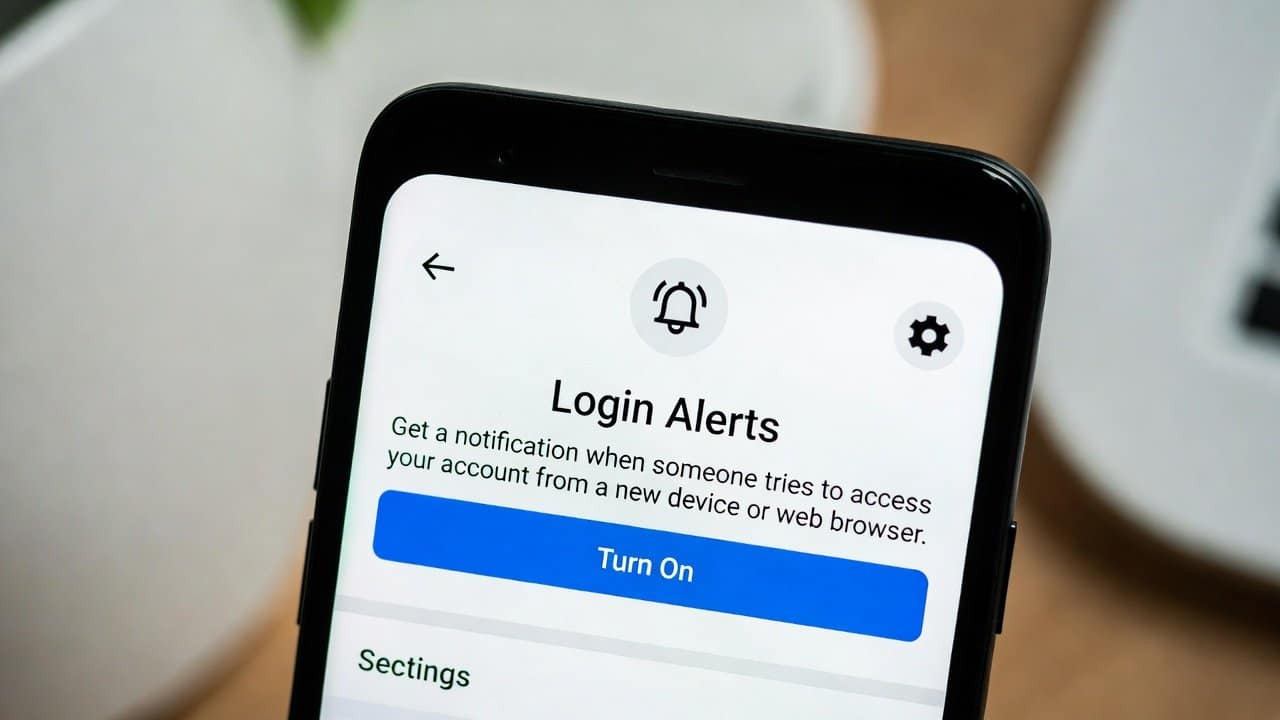
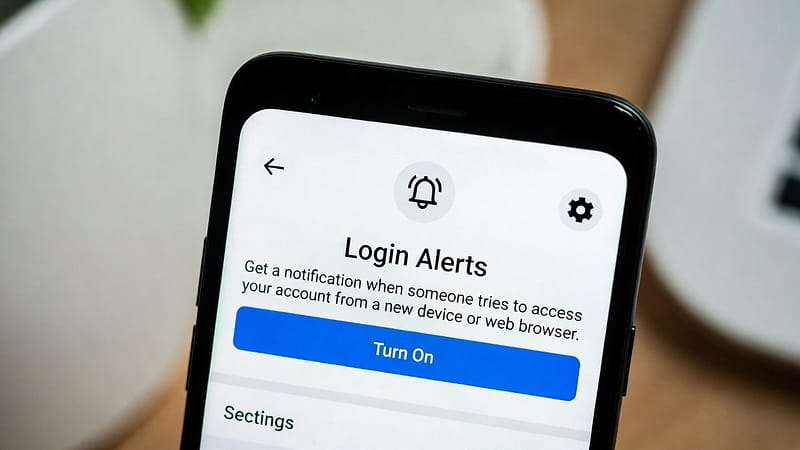
2. Enable Two-Factor Authentication
- Secondly, the activation of two-factor authentication provides an enhanced security protection.
- Its system requires users to provide a second form of identification after they complete their password entry.
- It prevents unauthorized access.
- It happens because password theft does not allow attackers to easily access user accounts.
3. Be Careful What You Share Online
- Thirdly, sharing of excessive personal information online results in serious privacy threats.
- Your daily activities become accessible to others when you share your location, phone number, and personal information.
- Therefore, you should evaluate your social media privacy settings while thinking about your posting decisions.
4. Use Privacy-Focused Browsers and Tools
- Fourthly, the most effective method to protect your privacy involves using secure browsing tools.
- Privacy-centric web browsers provide two functions.
- It is done by blocking tracking systems and limiting their data collection abilities.
- The use of a reliable VPN service establishes an encrypted connection.
- It will protect users’ personal information when they use public Wi-Fi networks.
5. Keep Your Devices and Apps Updated
- Fifthly, software updates are important for maintaining system security.
- The majority of updates address existing security weaknesses that hackers can use to gain unauthorized access.
- Users should maintain current versions of their devices, applications, and operating systems to protect their privacy.
6. Stay Alert for Phishing and Online Scams
- Sixthly, online scams are becoming more and more common every year.
- These fake emails and messages, together with the fake websites, create an appearance of authenticity.
- Avoid clicking on suspicious links and downloading attachments from unknown sources.
- Verify everything that seems urgent or unusual to you.
7. Review App Permissions Regularly
- Lastly, many apps request access to data they do not need.
- These apps request access to contacts and location data but lack any legitimate need for these permissions.
- The process of enhancing your online privacy requires you to check app permissions and eliminate all extra permissions.
Conclusion
In conclusion, if you want to protect your online privacy in 2026, you need to understand digital security measures. And with these security measures, you also need to practice safe online tips. Furthermore, your online activities will have a significant impact on your ability to protect your personal information. It is because technological advancements will continue to evolve all the time. Therefore, keep yourself updated with these online threats and apply these tips to protect your online privacy.