
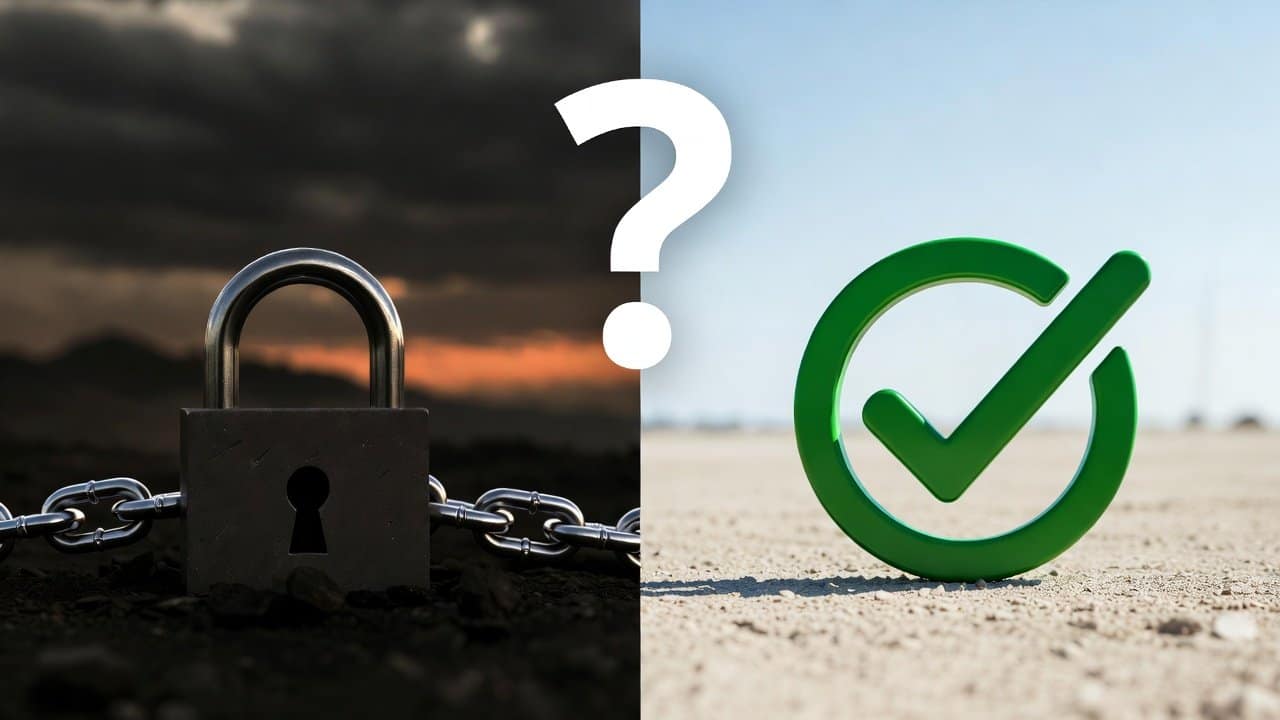
Online privacy has become so vulnerable. People often experience anxiety about their online privacy. They are always worried about what will happen if cybercriminals and scammers intrude on their privacy. Therefore, to secure their privacy, people now use Virtual Private Networks (VPNs). This Virtual Private Network (VPN) service creates a secure internet connection for users. They also keep their personal identification information private. However, many people continue to believe common VPN myths. Some people believe that a VPN can resolve all internet issues, while others consider it to be completely ineffective. This blog about VPN myths vs. reality will show which common myths exist and their reality. So, let’s get into it.
VPN Myths Believed By People
The following are the most common myths believed by many people.
Myth 1 and its Reality: A VPN Makes You Completely Anonymous
- This is one of the most common myths.
- Many people believe that a VPN makes them completely invisible on the internet.
- A VPN protects users’ IP addresses and also encrypts their online activities.
- This means hackers, internet providers, or people on public Wi-Fi cannot easily see what people are doing online.
- Websites can continue to track people’s online activities through cookies, their login accounts, and browser data.
- Though a VPN protects your private information, it does not provide you absolute online anonymity.
Myth 2 and its Reality: VPNs Are Difficult to Use
- Some people think VPNs are only for technical experts.
- They believe that installing and using a VPN is a very difficult task.
- Many VPN applications have a user-friendly design that enables people to use them without difficulty.
- Users first need to download the application.
- Then open it before they can establish a connection by pressing the connect button.
- The VPN service starts to secure your internet traffic after you make the first connection.
Myth 3 and its Reality: VPNs Are Only Used for Illegal Activities
- Another myth is that VPNs are mainly used for illegal purposes.
- But this idea is not true.
- People use VPNs for legal reasons because they need to protect their online activities.
- Many people use a VPN to protect their data when they connect to public Wi-Fi.
- The online protection provided by VPNs makes them essential tools for internet security.
Myth 4 and its Reality: VPNs Always Make the Internet Slow
- The VPN myths vs. reality battle shows that people believe VPNs will always reduce their internet speeds.
- It happens because it needs to encrypt your data and route it through different servers.
- The speed reduction will result in a very minor impact on your performance.
- Most modern VPN services use fast servers.
- These new VPNs will not let you experience slow internet when you connect to a nearby server.
Myth 5 and Its Reality: Free VPNs Are Just as Safe as Paid VPNs
- People think that free VPNs deliver the same protection as paid VPN services.
- But this belief is partially wrong.
- VPN services need costly servers together with advanced security systems to operate their functions.
- Some free VPN services use ads by gathering personal information from their customers to generate income.
- Users should select a reliable VPN service because it helps protect their online activities.
Conclusion
In conclusion, VPNs are now becoming more common in this digital era. People now understand the need to protect their online information. And this protection can only be provided by VPNs. However, still, some users remain confused about whether it’s reliable or not because of multiple myths and false beliefs. The truth behind VPN myths vs. reality explains how to use VPNs properly for effective usage. Moreover, a VPN functions as a strong security solution that enhances your online protection and privacy needs. So, instead of believing some false myths, try to use it first yourself.