
People tend to use the same password across multiple online accounts because it’s easier to manage them. This trend enables hackers to launch attacks that lead to security breaches. A single stolen password gives hackers access to all your online accounts, including your email and banking services. Therefore, this article reveals the dangers of password reuse and shows its consequences, while offering users practical solutions. This blog explains the reasons why password reuse should never be practiced and shows you current ways to protect your digital information.
The Dangers of Password Reuse
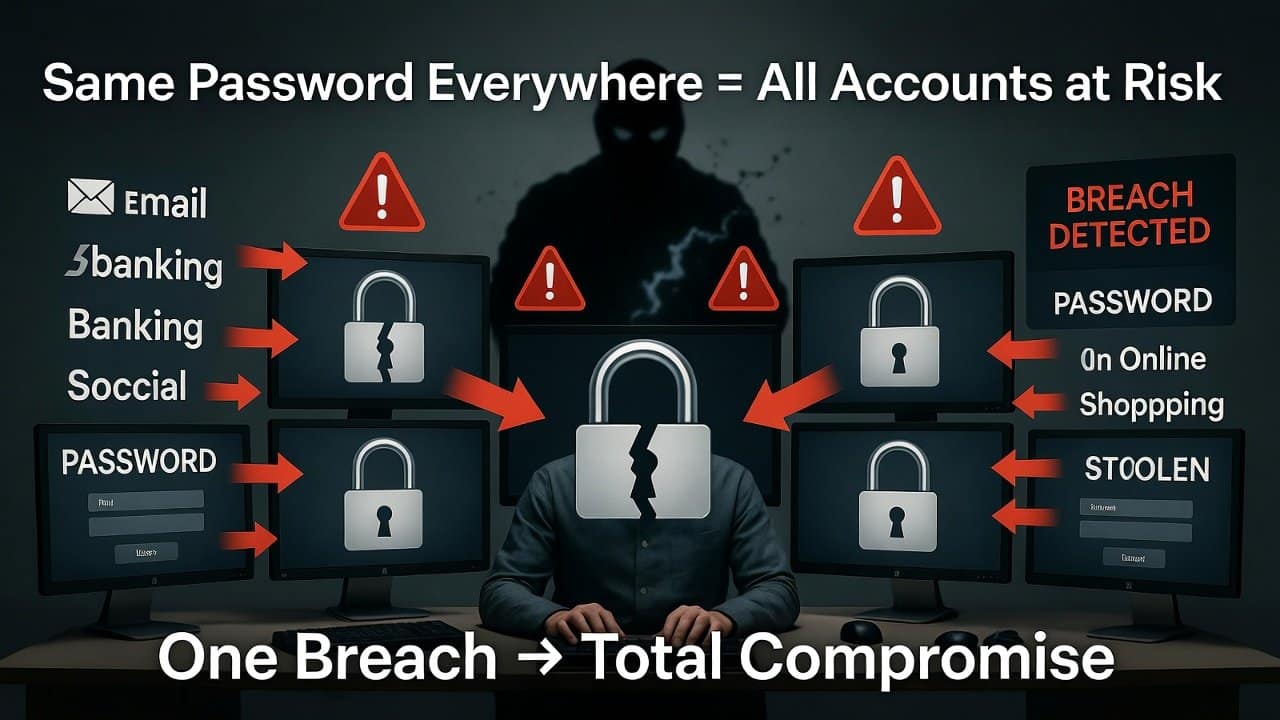
People reuse passwords for ease, but this creates a weak link. Hackers use data breaches to obtain credentials, which they then test on major websites such as Google and Amazon. A small site leak can compromise your main email. Also, automated bots run through their systems to test millions of password combinations daily. The process creates a chain reaction that spreads quickly because one mistake creates widespread damage.
Furthermore, password reuse creates an environment that supports credential stuffing attacks. Attackers use stolen lists to log in to other accounts. They can access sensitive information without any additional work. Each account needs its own security barrier. Reusing your passwords gives hackers access to your other accounts. Implementing unique passwords will help you break this pattern. Your accounts remain protected because hackers cannot access them through subsequent attacks.
Consequences of Reusing Passwords
- People face financial destruction when criminals steal their bank funds and create unauthorized financial debts.
- You need to challenge every transaction to recover your stolen funds using this procedure.
- People experience emotional distress when their privacy is violated.
- Criminals who steal your pictures and texts use them for blackmail and harassment purposes.
- Businesses need to handle greater risks because their employees reuse passwords, creating security vulnerabilities.
- It led to data breaches and legal action against the company.
- Criminals sell your information on dark web markets.
- They use your identity to commit fraud and obtain loans.
- A hacked social profile spreads false information or malware.
- You will avoid these nightmares by staying away from that option.
Why Is Creating Different Passwords Important?
- Create distinct passwords for each account because shared passwords create security risks.
- Your password should include uppercase and lowercase letters, numbers, and special characters to improve security.
- Effective protection against cracking tools requires passwords to contain at least 12 characters.
- Users should avoid using common passwords, as they can be compromised through dictionary attacks.
- Users should switch to password management tools such as LastPass and Bitwarden.
- These tools help them generate and protect their passwords.
- Users can improve efficiency and security by using password management tools that automatically fill out forms.
- Two-factor authentication (2FA) requires users to enter a code sent to their phone as an additional security measure.
- Organizations should establish a schedule for password updates that requires them to change passwords after security breaches and every three months.
- Users should protect themselves against phishing attacks by avoiding any email that requests their login information.
Steps to Ditch Password Reuse
- The audit process requires you to begin by locating all your accounts and then checking for any duplicated passwords across them.
- You need to change all reused passwords, as this practice creates security vulnerabilities.
- Password managers can generate strong passwords for your various accounts.
- You should set calendar reminders to help you remember to change your outdated passwords regularly.
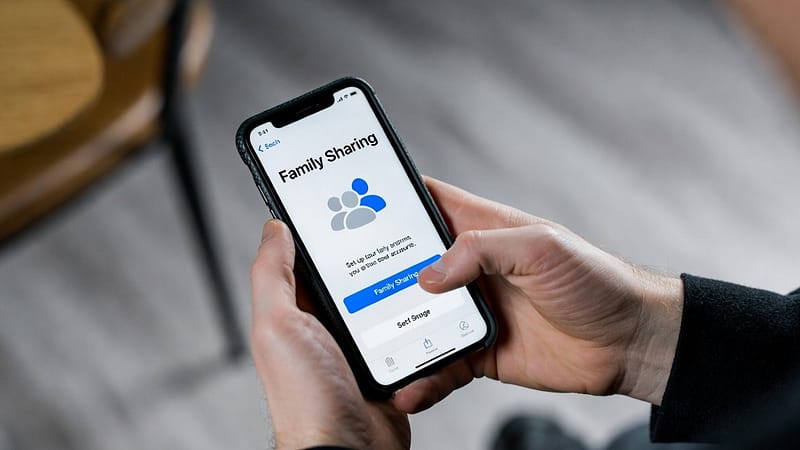
- Your family members need to understand password reuse because it creates security dangers.
- People need to understand that password reuse creates greater security risks for all accounts they share with others.
- Users should create passphrases that balance strength and ease of memorization by using complete sentences.
- Users should protect their accounts by using two security measures that combine passphrases with additional security methods.
Conclusion
In conclusion, now we know why you should never reuse passwords again. Creating new passwords for each login helps protect you from cyber threats. This prevents security breaches and identity theft, which can create stressful situations. Hackers target people who use weak security practices; therefore, you must create strong passwords for all your online accounts. Your online safety protection begins immediately, so you should start your security measures now.