
Technology comes with its own set of problems. It may often happen to you that your computer begins to malfunction for unknown reasons. Your device experiences extreme slowdowns while your display shows multiple unexpected pop-up advertisements. These signs clearly indicate that malware has attacked your computer system. Moreover, malware refers to all malicious software that hackers use to steal information or destroy computer systems. Malware includes viruses, spyware, and ransomware. Early detection of these signs helps you protect your personal data. This blog presents the main signs that indicate a computer system has become infected with malware. So, let’s begin our investigation into malware signs so that you can save your device before its attack.
Signs of Malware
The following are the signs that you will notice when your device is infected with malware.
1. Noticeable Slowdown in Performance
- Your device experiences a significant drop in performance speed.
- The hidden processes of malware consume system resources and operate without detection.
- Your laptop shows signs of malware infection because it takes an excessive amount of time to start up and launch applications.
- The malware uses CPU resources and memory to operate, resulting in slower performance.
- The device produces louder fan sounds because it needs to cool down from the additional work it has to perform.
2. Frequent Crashes or Freezes
- The device experiences problems due to multiple crashes and freezes.
- The malware threat causes file corruption and disrupts system functions, resulting in sudden system failures.
- Your screen turns black at a critical moment when you work on your important document.
- The malicious code causes this problem because it interferes with standard operational procedures.
- You need to start an investigation when your device restarts by itself and applications exit without your consent.
- The data interruptions create both user frustration and the possibility of losing important information.
3. Unusual Pop-Ups and Ads
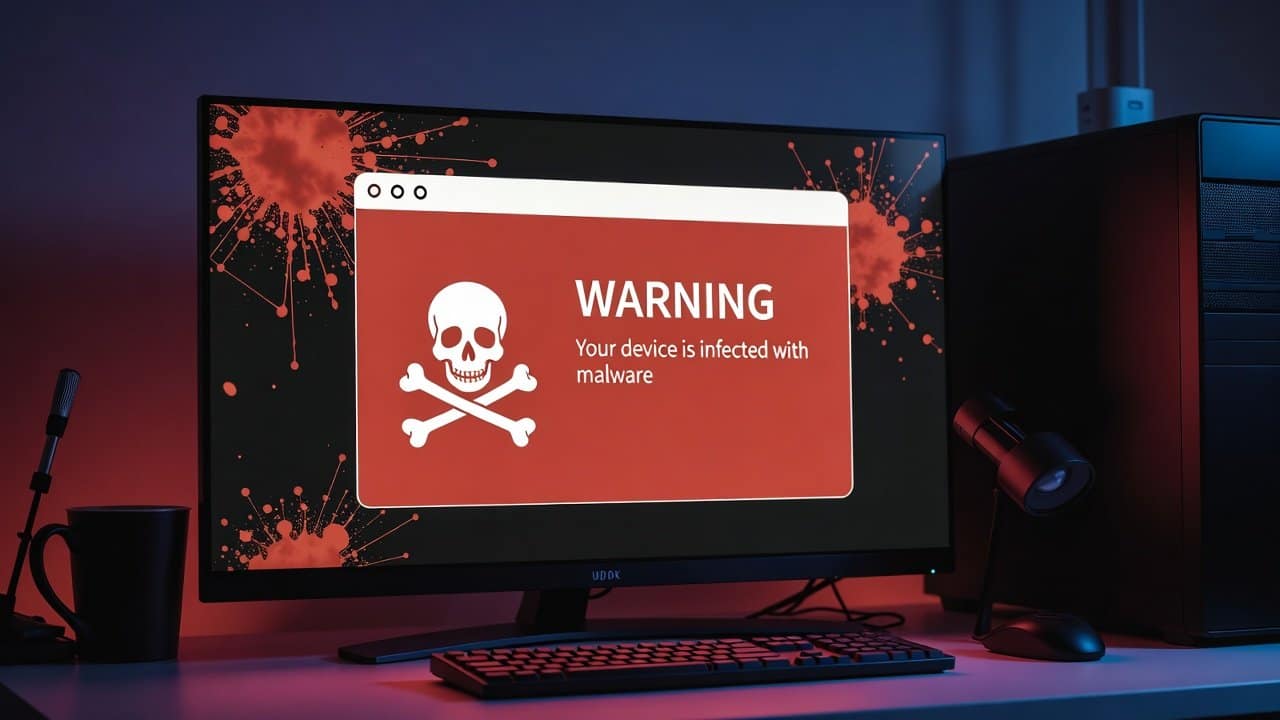
- The system generates unexpected pop-up windows and advertisements that show up without any warning to users.
- The legitimate websites operate without displaying constant advertisements, while malware attacks users with nonstop advertisements.
- The program has multiple ways to infect your system because it can either send you to dangerous websites or show you false infection alerts.
- The pop-up windows display software that is suspicious, and they also lead users to various types of scams.
4. High CPU or Data Usage
- Actual signs appear when system resources are used to an extreme extent with no clear explanation.
- If the task manager shows unexpected process activity that boosts system resource usage, your system may be infected with malware.
- The malware uses your internet connection, which causes your internet bill to increase because it conducts botnet operations.
- This sneaky behavior drains your resources and compromises your privacy.
5. Disabled Security Features
- The system shows signs of active infection when security features have been disabled.
- Malware developers create programs that disable antivirus software, firewalls, and Windows Defender to conduct their attacks without being detected.
- The system shows signs of hacker interference when users discover security tools that they use to protect their system have been disabled.
- Your device will show unknown programs that have recently emerged on your system.
- The installed applications on your system that operate without your consent function as trojans that have disguised themselves as helpful applications.
6. Changes to Browser Settings
- Your browser settings will reveal what changes have been made.
- Malware commonly modifies your homepage and search engine settings while introducing new browser extensions without your permission.
- You will discover a new search page that redirects to harmful websites.
- Your emails are sent automatically, and your contacts receive spam from your account because malware takes control of your communication system.
7. Disappearing or Altered Files
- The presence of missing or modified files indicates a serious security breach.
- The ransomware process locks your files with encryption until you pay the ransom.
- Other malware programs remove or change stored files from the system.
- You should respond immediately when your pictures disappear or your documents experience unexpected changes.
- The network may exhibit unusual behavior by establishing connections to unfamiliar IP addresses, which indicate potential data theft.
What to Do If You Spot These Signs?
- Execute a complete system examination using trustworthy antivirus programs such as Malwarebytes and Bitdefender.
- The operating system, along with all applications, needs updating to fix security vulnerabilities.
- Users must change their passwords while setting up two-factor authentication for protection.
- Users should stay away from clicking on links that look suspicious and should not download content from sources they do not trust.
- Users need to contact experts when their malware problem continues to exist.
Conclusion
In the end, the process of identifying signs, which include slowdowns and crashes, pop-ups, and unusual activity, enables you to defend yourself. Your digital presence is at risk from malware, but your best protection comes from staying up to date. The best way to stay secure online is to understand that prevention is better than a cure. So, stay informed and keep checking your device to avoid malware.