
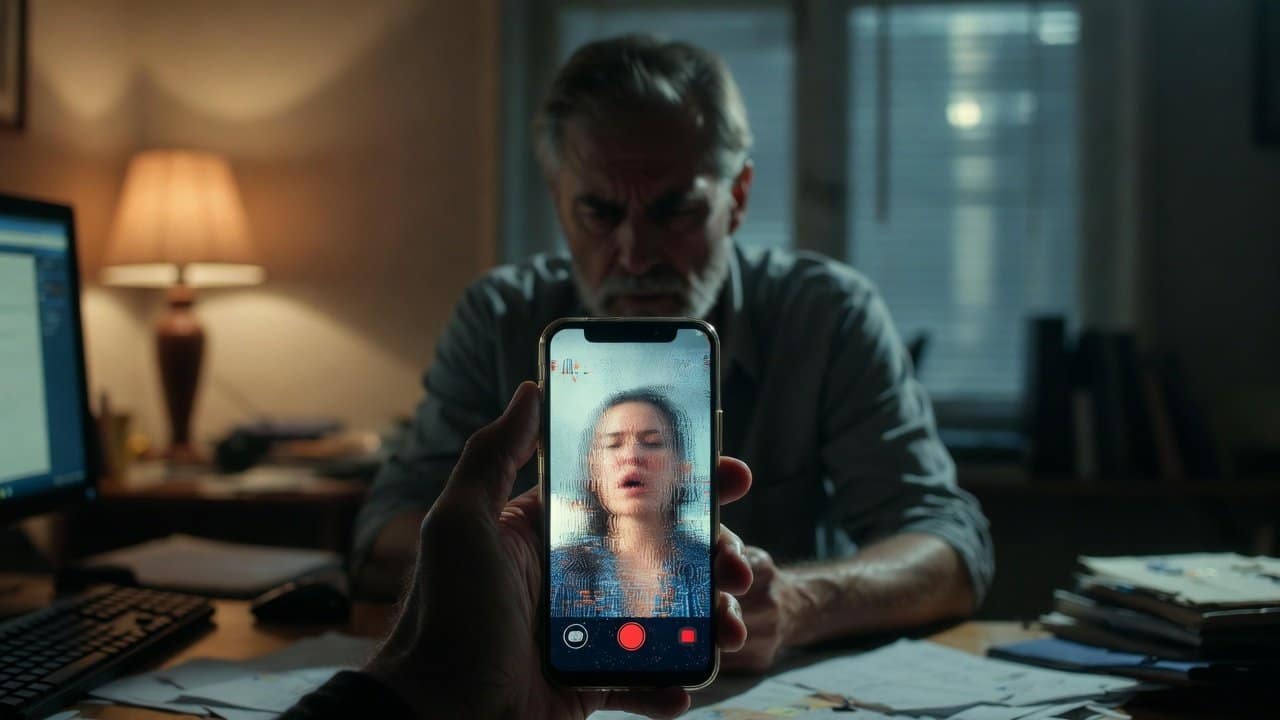
Deepfake tech has gotten a lot better at a rapid pace now. What used to look pretty obviously fake now can sound and look uncomfortably real. In 2026, scammers in the United States are leaning hard on AI-generated voiceovers and videos to fool people. Additionally, they might use a fake family emergency call or run celebrity investment ads that seem legitimate but aren’t. At the present time these schemes are showing up more often. And because they look too real now that people have started believing them. Because of this, people are now facing major online security problems in America. Therefore, in this blog we will show you everything related to how these deepfake scams are targeting Americans in 2026. So you can stay safe. So let’s get started.
What Are Deepfake Scams?
Deepfakes are AI-made audio or video that resemble real people. Scammers use the real person’s data to copy a voice, a face, and even the way someone sounds when speaking. Like if we take an example, a criminal might generate a fake voice message that feels like your child asking for money. Or they can generate fake videos of well-known public figures talking up fake investments. These deepfake videos and voices look extremely real. Moreover, these recordings feel very real; many people end up trusting them too quickly.
Why Deepfake Scams Are Increasing
There are several factors through which these scams are increasing:
- First of all, AI tools have become easier to reach nowadays.
- Next, scammers can grab voice-and-video samples from social media.
- And lastly, believable fake content can be fashioned within minutes.
So, the fraud attempts look more advanced than ever before.
Common Deepfake Scams in 2026
Americans are dealing with a bunch of different deepfake scams. Not all of them look the same at first, but they’re all very dangerous.
Firstly, they can be in the form of family emergency calls. The scammers can clone a loved one’s voice and then say there’s some sudden problem. They will ask for an immediate payout, usually through gift cards, wire transfers, or even cryptocurrency. This urgent pressure makes people take quick actions without understanding the situation, and that is how this whole trick works.
The second one is fake celebrity endorsements. Scammers make videos where well-known celebrities or business leaders appear. They will talk about investment or a giveaway that “nobody wants you to miss.”
Thirdly, there’s also executive impersonation. Where employees may get a message that seems like it’s from their boss. It can be urgent, or it might ask for confidential data or request payments. Sometimes it’s framed like it’s urgent, but it’s just a quick attempt at access.
Finally, there’s romance and social engineering. Scammers lean on AI-generated video and audio to form connections in online relationships. It takes time to build a relationship, and when the moment someone sends money, shares credentials, or gives up personal info, they end that relationship.
Warning Signs to Watch For
Even though deepfakes look pretty convincing, there are still little signs. Users can catch them if you pay attention.
- strange urgency or too much pressure.
- asks for money or any sensitive personal data.
- lip-sync that looks off or speech that sounds a little unnatural.
- messages coming from unfamiliar numbers or odd accounts.
How to Protect Yourself
You can lower your risk by doing a few basic things.
- Verify through another number. Like if you get an alarming message, call the person directly, using a number you already know.
- Also, make a family safe word. This is a private phrase, or one short word, that only close family members understand and use.
- Further, try to limit public voice and video content. The less material sitting out there online, the more difficult it becomes to imitate your voice.
- On top of that, strengthen account security. Use strong passwords and turn on two-factor authentication.
- And lastly, stay informed. When you understand how these scams work, it becomes way easier to recognize them.
Conclusion
In conclusion, AI tech brings a lot of good things. But it also hands scammers brand new tools. Deepfake fraud is getting worse in a way anyone can become the target, even you. Deepfake scams are targeting Americans a lot in 2026, and it has become a headache. So, it is important to stay cautious, check anything strange or unexpected in requests thoroughly, and help educate your family as well. With a few simple things, you can often avoid turning into the next victim.