

Online Scam is becoming one of the biggest threats nowadays. Internet scammers operate throughout the entire digital landscape. They use your trust to gain your money and personal information. Also, cybersecurity experts have reported that online scams cost victims billions of dollars every year. Furthermore, people believe they can outsmart scams, but scammers have developed new techniques to execute their schemes. This blog discusses the latest online scams you need to avoid. You need to stay updated about online scams to prevent yourself from becoming the next victim.
Latest Online Scams
1. Phishing Scams
- Scammers use fake emails and messages that appear to originate from trustworthy organizations.
- These messages and emails include banks and government forms.
- They trick you into clicking links or sharing sensitive details.
- A recent phishing attack uses artificial intelligence to produce authentic-looking deepfake videos.
- These fake videos show CEOs requesting immediate wire transfers.
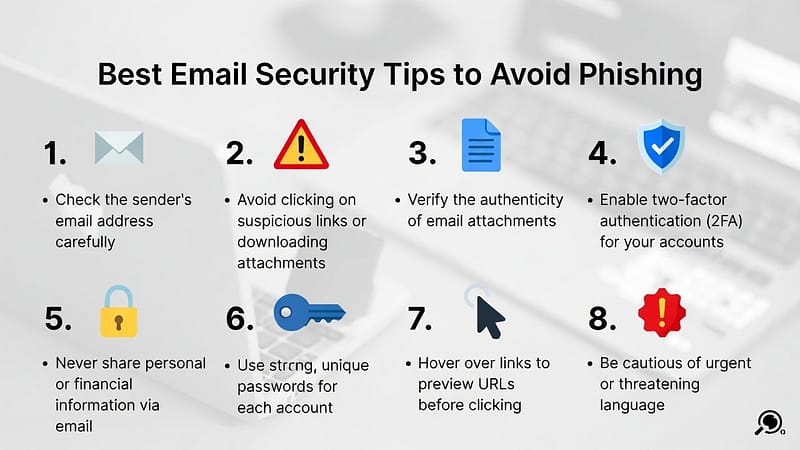
- Therefore, you need to check the sender’s email address because this method protects you from phishing attacks.
- The links should not be clicked; hover over them to verify the website address.
- You should contact the organization directly through official channels if anything seems suspicious.
2. Romance Scams
- Scammers create fake accounts on dating apps and social media platforms.
- They establish emotional relationships with people and afterward request financial assistance.
- They pretend to face medical emergencies and travel problems.
- Scammers follow a disturbing pattern by using stolen images alongside artificial intelligence-based vocal simulations during virtual meetings.
- Scammers aim at lonely people who spend their time alone during holiday periods.
- The first sign of a fake person appears when they ask for money within the beginning stage of a relationship.
- Fake profiles get detected through reverse image search, which functions with their profile pictures.
- Users must report any accounts that appear suspicious to the platform without delay.
3. Investment Scams
- Scammers offer fake investment platforms and “surefire” trading bots that promise high returns to their victims.
- Their social media advertisements feature flashy content.
- It attracts victims by claiming they possess secret information or can deliver guaranteed financial returns.
- Pump-and-dump schemes have recently operated in the cryptocurrency market.
- This scheme manipulates prices and leaves investors with worthless digital tokens.
- The SEC website is a trustworthy source for investors to conduct their investment research.
- People should stay away from making investments that they receive through uninvited contact.
4. Tech Support Scams
- The scammers contact you by phone to present themselves as legitimate personnel who need remote access to your device because they claim it has a virus.
- The scammers use fake caller IDs to create an appearance of being authentic.
- Scammers now use a new method, which involves them impersonating representatives from major technology firms such as Microsoft.
- You should protect yourself against unwanted phone calls by ending the call when you receive them.
- You should reach out to support through the official website instead of using any other method.
5. Fake Giveaway Scams
- Scammers use social media contests to attract users by offering free prizes.
- The system notifies you about your victory through a message after you enter the contest.
- The scams use social media platforms to target users through their viral content.
- Users should verify the giveaway’s authenticity by looking for online reviews to protect themselves from falling victim to the scam.
- Contests that require participants to pay fees in advance do not operate as legitimate contests.
- Users should submit their entries through official applications and websites.
Conclusion
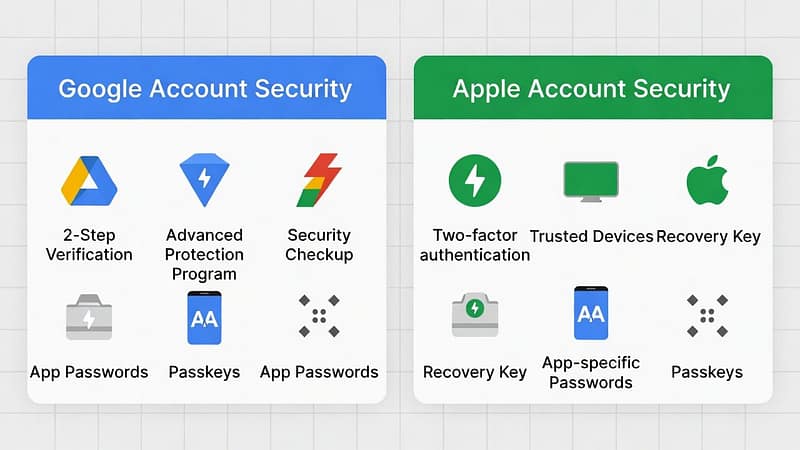
In conclusion, online scammers develop new methods to operate their businesses, which makes it necessary for you to maintain constant alertness to protect yourself. Your devices need protection through the use of strong, unique passwords and the activation of all security features. The FTC website and cybersecurity blogs function as platforms that provide educational content. You need to inform the authorities about your suspicions of a scam, which you must report to them. Your financial security and mental well-being will benefit from following these protective measures.