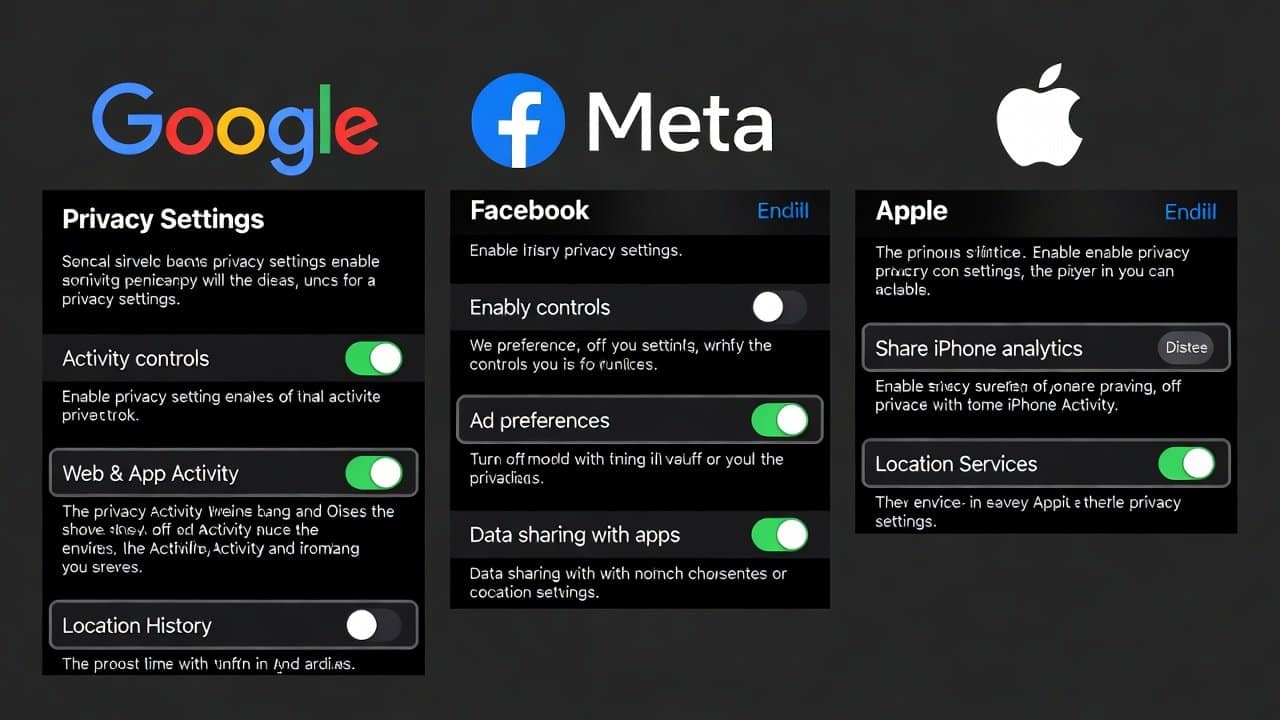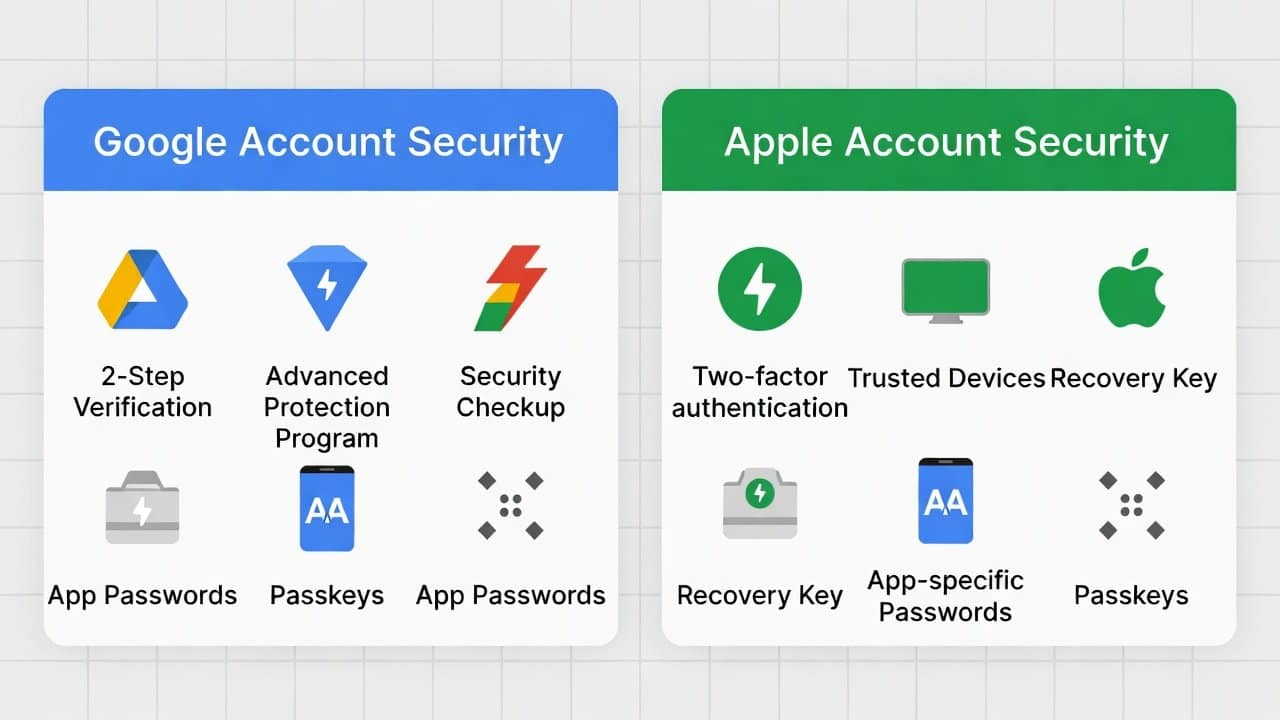


The shoe ads appear on your phone because you searched for them online. Or your social media feed displays interests that you have not yet entered. Have you ever wondered why and how this thing is happening? Well, the answer to this question relies on your mobile device and the companies that are connected to this technology. Google, Facebook, and Apple track your online activities because they want to monitor your internet usage. And then the companies collect data to create personalized experiences for users. But this practice creates major privacy issues. This blog will outline their methods, explain why their work is important, and share some actions you can take to address the issues. So, let’s start!
Tools for Tracking Your Activities
Big tech companies begin their operations through basic tools.
1. Cookies
- Websites use cookies as small files that store user preferences on their devices.
- Google uses cookies to track your search and click activities through your browser.
- This information enables them to deliver personalized advertisements. However, cookies aren’t the only method.
2. Pixels
- Additionally, companies also use pixels, tiny images on websites, to monitor your activity across sites.
- The Facebook pixel on a webpage tracks your activities and transmits that information to advertisers.
3. Software Application
- Moreover, the software applications on your mobile device require you to grant them permission to access your location, camera, and microphone.
- Apple tracks your location through iCloud if you enable it, while Google Maps logs your movements for better navigation.
- Companies use these permissions to create complete customer profiles based on their daily activities.
- They track customer behavior by connecting online activities.
Other Advanced Techniques
Fingerprint
- Companies use device fingerprinting to track users because it enables them to establish a distinct “fingerprint”.
- It combines their browser settings, screen dimensions, and installed fonts.
- The system recognizes you through its tracking method because it can track you even when you delete your cookies.
Artificial intelligence
- Artificial intelligence performs an analysis of your data patterns.
- Facebook algorithms, which analyze your post likes and friend-following patterns, create predictions about your future interests.
- Amazon recommends products to customers based on their previous website browsing and shopping history.
- Google and Facebook share user data with each other to improve their advertising audience targeting capabilities.
- Google users who search for vacation information will find relevant advertisements displayed on Instagram shortly thereafter.
Why Does This Matters?
It matters because of privacy and permission reasons. The process of tracking customized services results in privacy loss for users. Companies sell your data to advertisers, which creates targeted advertising that users find invasive. Data breaches create security risks by disclosing personal information, which enables identity theft. The government employs this data for surveillance purposes, which became evident during the discussions about technology companies’ partnerships with law enforcement.
Tracking systems do not function as harmful tools. These tracking systems enhance user experience by providing traffic navigation routes while Netflix shows users specific content recommendations. The essential requirement for success involves maintaining a balance between convenience and privacy. Users become unable to manage their online activities because they are unaware of their digital footprint.
Simple Steps to Reclaim Privacy
- You need to configure your browser settings to stop third-party cookies from being collected by websites.
- The combination of uBlock Origin and Privacy Badger provides users with additional protection.
- Users should examine their mobile applications to determine which permissions they should refuse.
- Users can disable personalized advertisements through platforms, which include Google’s Ad Settings and Apple’s App Tracking Transparency.
- Users should explore VPN services that provide IP address hiding and data encryption
- Users should choose privacy-oriented search engines such as DuckDuckGo and secure messaging applications such as Signal for their Internet activities.
- Users should delete their browsing records regularly while using incognito mode for their confidential online activities.
Conclusion
In conclusion, big tech companies use cookies together with user permissions and artificial intelligence to monitor your online activities. This happens because they want to provide you with suitable services. These services bring benefits to users, but they create privacy risks. You can get back your privacy rights by learning about these tracking methods and taking direct action against them. You must remain aware of your surroundings while you protect your online presence.