
Computer security needs protection against viruses, which is essential for its functioning. Many people use antivirus software to protect their devices from security threats. However, cybercriminals still had discovered an effective method to increase this problem. They are now developing fake antivirus software. This fake software deceives users into making payments and revealing important personal data. The frequency of these scamming activities increases with each passing year. Therefore, people need to understand the functioning methods of these scams. This is because this knowledge serves as their primary defense against online threats. In this blog, we will present an explanation of fake antivirus scams to help you learn to identify and avoid these scams. So, let’s get into it.
What Is a Fake Antivirus Scam?
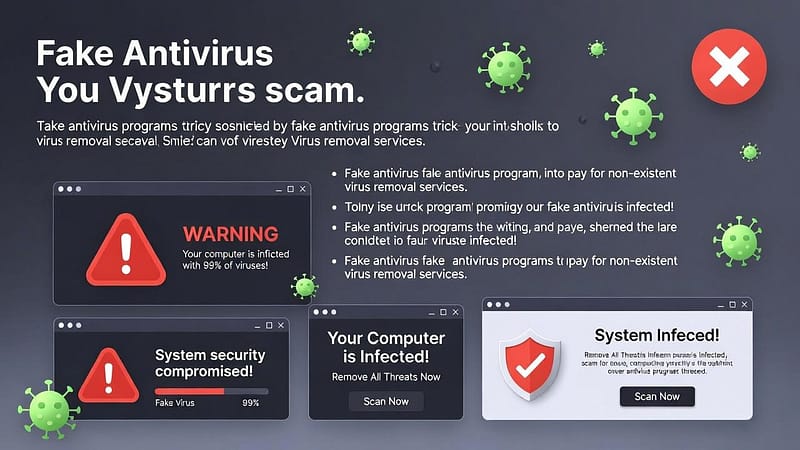
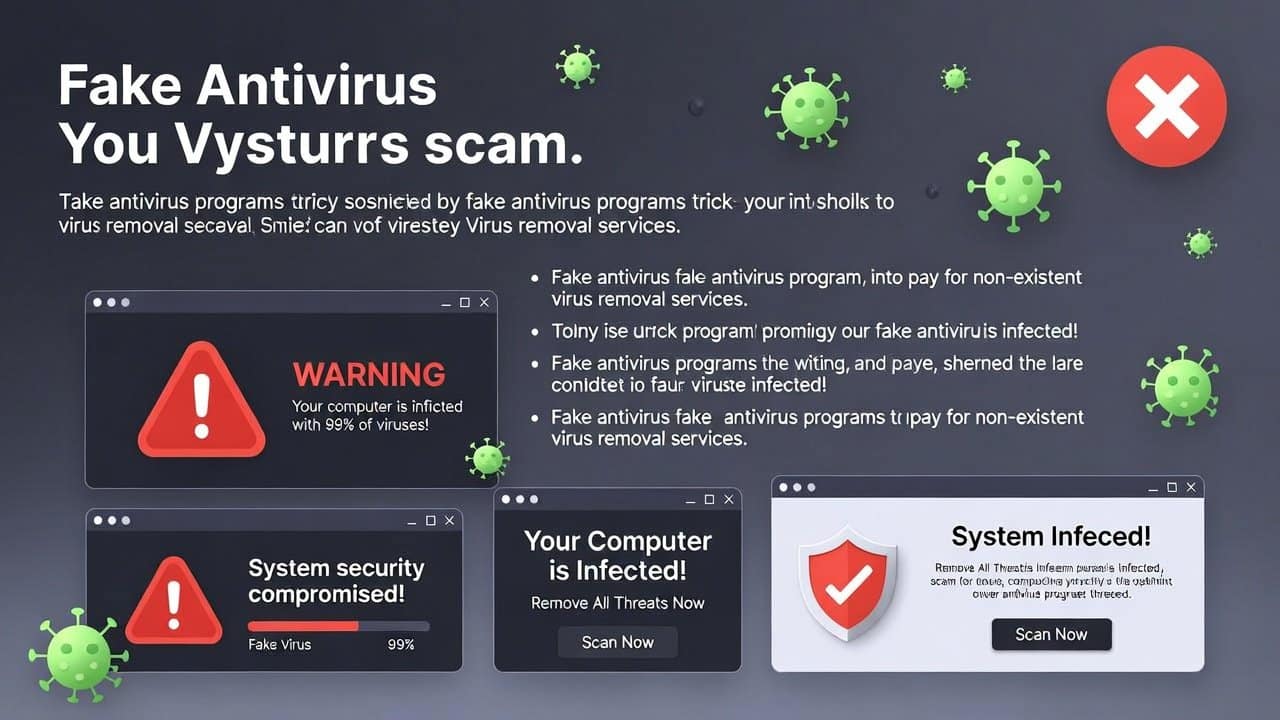
Criminals develop software that acts as a genuine security program to carry out their fake antivirus scam. This program creates an impression of professionalism and trustworthiness. And because of this facade, many people do not even realize that they are going to get scammed. The system is developed in such a way that it presents false virus detection and fake security alerts like the real ones.
The software was designed with the intention to protect your device security. However, the actual planning behind this is to scam people through online platforms. This software uses fear tactics to persuade users into purchasing the “full version.” They create so much fear in them that people become ready to share their personal information with them. Moreover, these applications fail to detect actual security threats according to their intended purpose. Lastly, they install harmful software like malware and spyware on your system.
How do fake antivirus scams work?
- Fake antivirus scams begin when they present a scary computer security alert.
- You might see a pop-up on your screen that says your computer is infected with many viruses.
- The message creates a sense of urgency because it displays dangerous content.
- It may also display threats through two different statements.
- It can state either that “your system is at risk” or that “immediate action is required.”
- This situation leads users to click the warning without taking time to think about it.
- Once the users click this message, it activates a download request for a program.
- This program claims to eliminate viruses from your system.
- After this the software conducts a fake examination after you finish the installation process.
- Then it detects multiple security problems in your computer system.
- After doing this it will demand payment from you to eliminate the detected dangers.
- And that’s how fake antivirus scams function and make you pay for such a problem that does not even exist.
Common Signs of Fake Antivirus Software
These are the following common signs of fake software.
- Unexpected pop-up warnings that indicate possible security problems.
- Random website pop-ups that do not deliver authentic antivirus software to users.
- Fake antivirus programs create urgent situations to force users into immediate decision-making.
- The fake antivirus software functions by making your computer run slower.
- It displays continuous warning messages to create panic.
How to Protect Yourself from Fake Antivirus Scams
Avoid these scams by following these few simple safety tips.
- Firstly, users should download security software from official websites and trusted app stores.
- Secondly, avoid installing software that comes from unknown links and pop-up ads.
- Thirdly, users should maintain their operating system together with up-to-date antivirus software.
- Fourthly, updating your system provides many essential security advantages to its users.
- Fifthly, do not trust any internet warning messages that you encounter during your online browsing.
- Sixthly, users should close their browser tab and use their antivirus software to perform a scan.
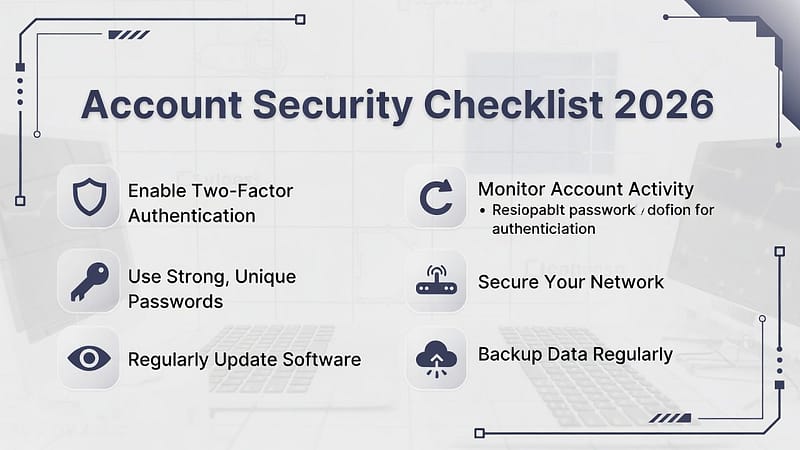
- Lastly, create strong passwords and activate two-factor authentication.
Conclusion
In conclusion, cybercriminals continuously develop new techniques to deceive people who use the internet. They use fake security software as their primary method for attacking users. This method remains their most effective and popular tactic to scam people all over the internet. Therefore, this blog has provided information that helps you identify early danger signs to defend yourself. You should always obtain software from reliable sources, so protect yourself and your software from these fake malicious software programs.