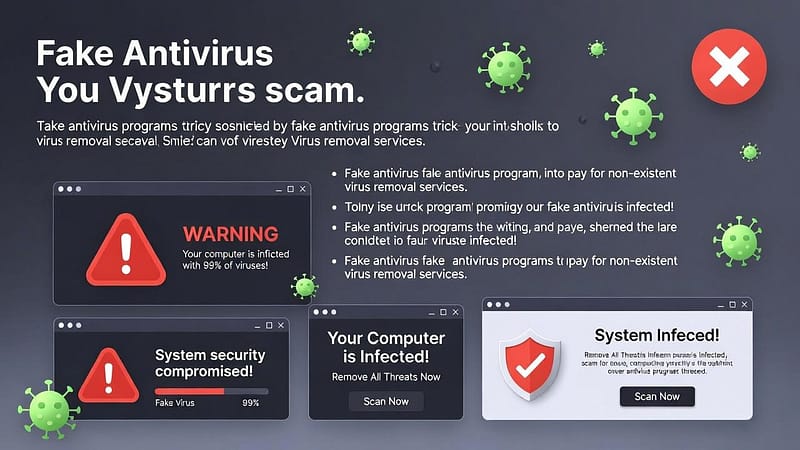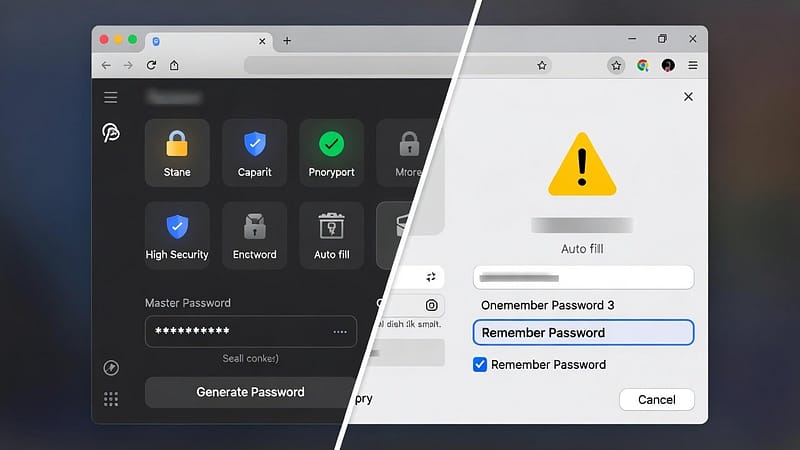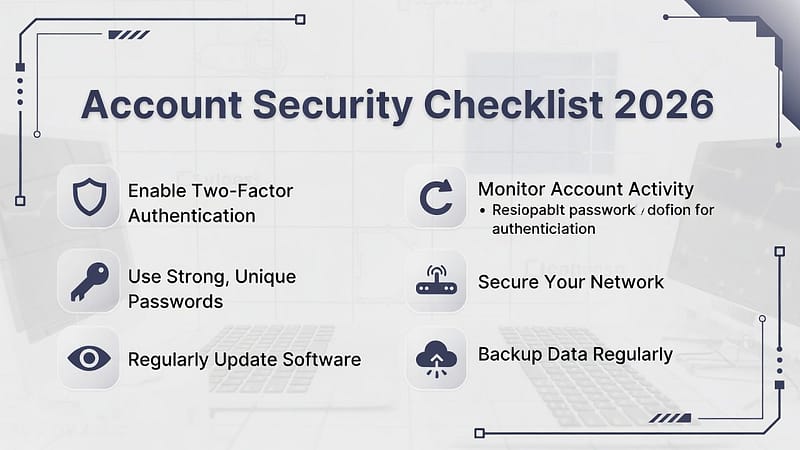


Browser extensions are present to simplify users’ daily activities and make their life easier. They provide multiple functions. These functions include ad blocking, password management, productivity enhancement, and browsing experience personalization. However, the security of browser extensions remains uncertain. It is because not every extension has been tested for safety before. Therefore, sometimes many extensions create major security threats to their users. Many users install extensions without checking whether they are good or not for their security. Therefore, in this blog, we will explain some dangerous extensions and some safety methods to protect ourselves. So, let’s get into it.
Dangerous Browser Extensions
These are the following dangerous extensions that people should surely avoid:
1. Fake Ad Blockers
- Ad blockers are very popular, but they are considered to be the most dangerous browser extensions.
- Some fake ad blockers track your activity instead of blocking ads.
- They can inject ads into your browser or send you to dangerous websites.
- Therefore, users should verify reviews and download statistics before they install any ad blocker.
2. Free VPN Extensions
- Free VPN extensions present the best extension option to users.
- But many of these free VPN extensions sell user data to third parties.
- They create a privacy threat because they monitor your online activities and disclose your personal information.
3. Abandoned or Outdated Extensions
- The installation of outdated extensions can be dangerous.
- They have not received any updates for multiple years and create security threats for their users.
- Hackers can use security vulnerabilities that exist in those outdated extensions.
- Many developers sell their abandoned extensions to malicious developers.
4. Coupon and Shopping Extensions
- Some coupon extensions collect more data than others.
- They use cost-saving advertisements to actually track their users’ shopping behavior.
- They will track their internet browsing activities and collect their personal data.
5. Screen Capture and Screenshot Extensions
- Screen recording and screenshot tools need access to your screen.
- Many cybercriminals use this access for malicious purposes.
- Malicious versions can capture sensitive information such as passwords, emails, or private messages.
- Only use screen capture extensions that have high reputations and trustworthiness.
6. Social Media Downloaders
- Social media video download extensions also contain hidden malware.
- The programs create unwanted advertisements in your browser.
- It adds an extra unrequested software program to your system.
- This extension takes control of your browser settings without your consent.
How to Stay Safe from Dangerous Extensions
The following tips will help you to protect yourself from this problem.
- Firstly, users should install only those extensions that they need.
- Secondly, users need to read reviews and ratings with complete attention.
- Thirdly, check all permissions before proceeding with installation.
- Fourthly, delete all extensions that you do not need anymore.
- Fifthly, check your current extensions at regular intervals.
Conclusion
In conclusion, understanding dangerous browser extensions is very important nowadays. Users can learn about these extensions to avoid danger and protect their privacy, data, and online security. Therefore, the installation process requires users to handle extensions with care. It is because careless installation creates severe problems for users themselves. If you also want to use an extension, then take some time to review it before installation. This practice will protect you from data theft and cyber threats in the future.